If you are considering luxury living in Portland, your biggest decision may not be price alone. It may be whether you want the story, texture, and responsibility of a historic home or the ease, views, and convenience of a newer waterfront residence. In a market where Portland’s median sale price reached $582,000 for the three months ending April 2026, understanding that difference can help you focus your search and buy with more confidence. Let’s dive in.
Why this choice matters in Portland
Portland offers two very different luxury ownership experiences, often within a short distance of each other. On one side, you have historic in-town homes in areas like the West End and Spring Street, where architecture and neighborhood character shape daily life.
On the other, you have newer waterfront and condo communities that are designed around views, amenities, and lower-maintenance living. That distinction matters in a city where demand remains strong and development continues, with Portland leading Maine in 2025 housing permits at 548 units.
For many buyers, this is not a simple question of old versus new. It is a question of how you want to live, what kind of ownership feels right, and how much time and energy you want to devote to your property.
Historic homes offer legacy and character
West End and Spring Street appeal
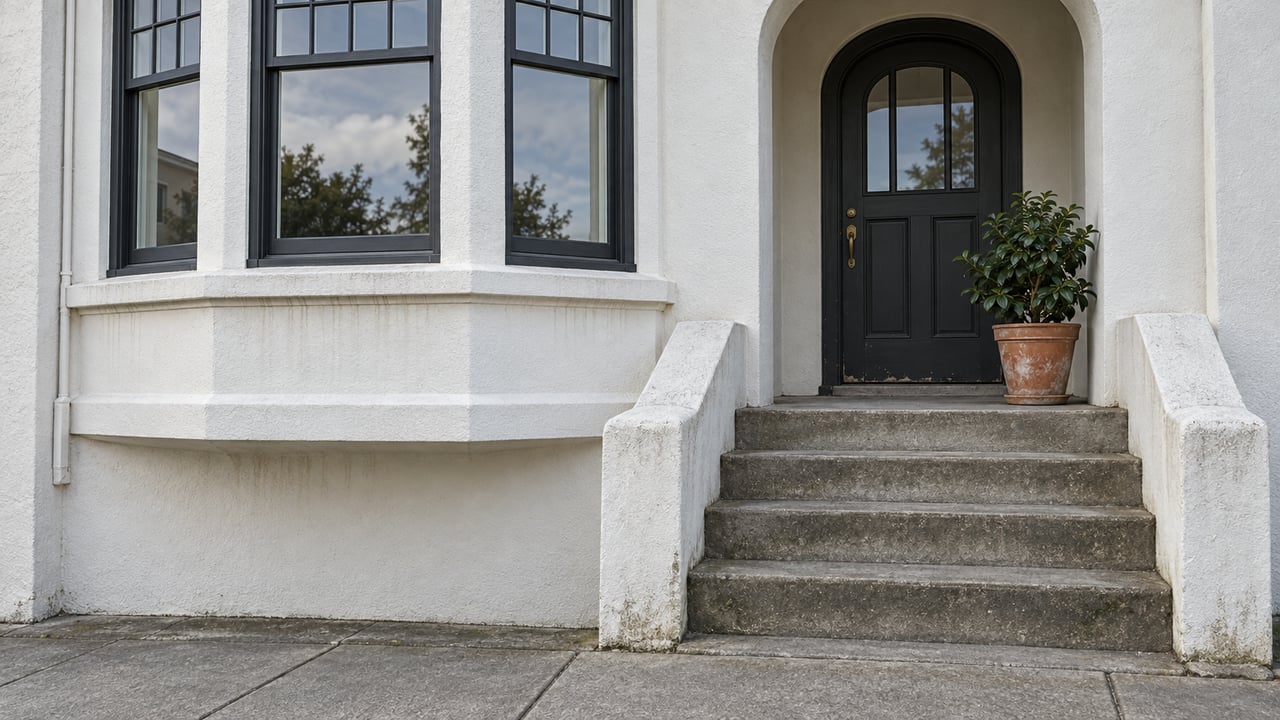
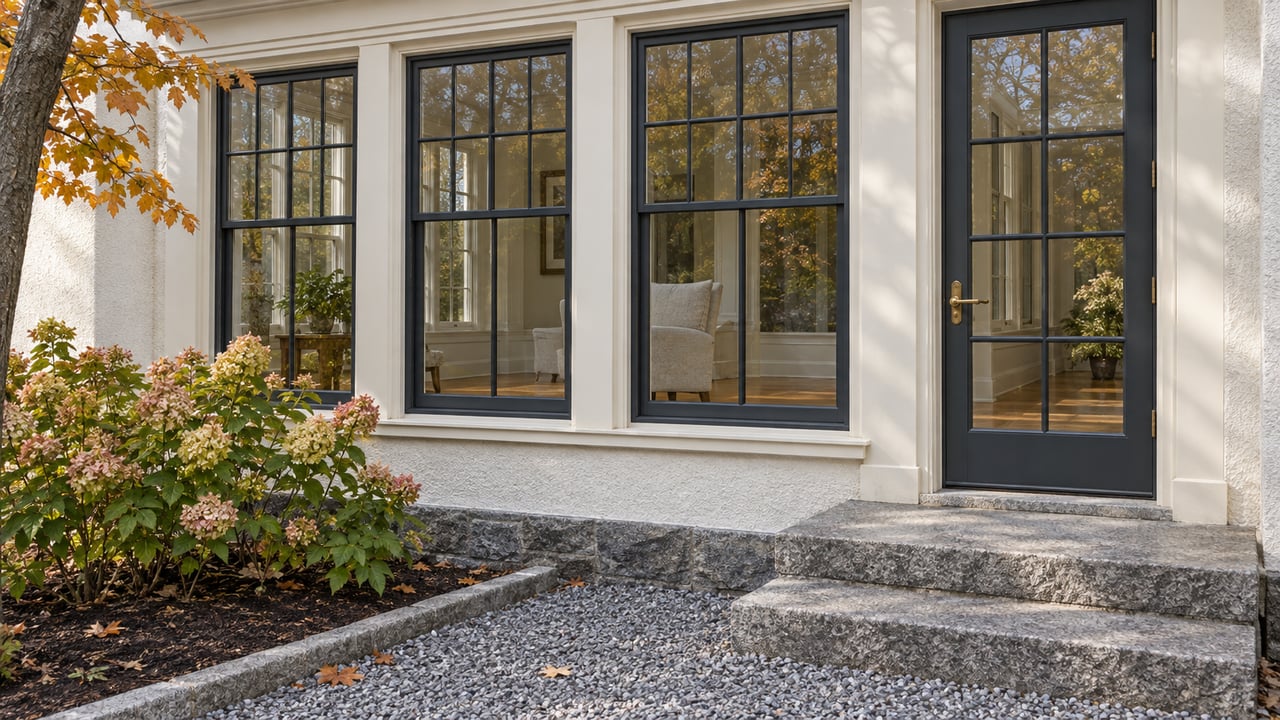
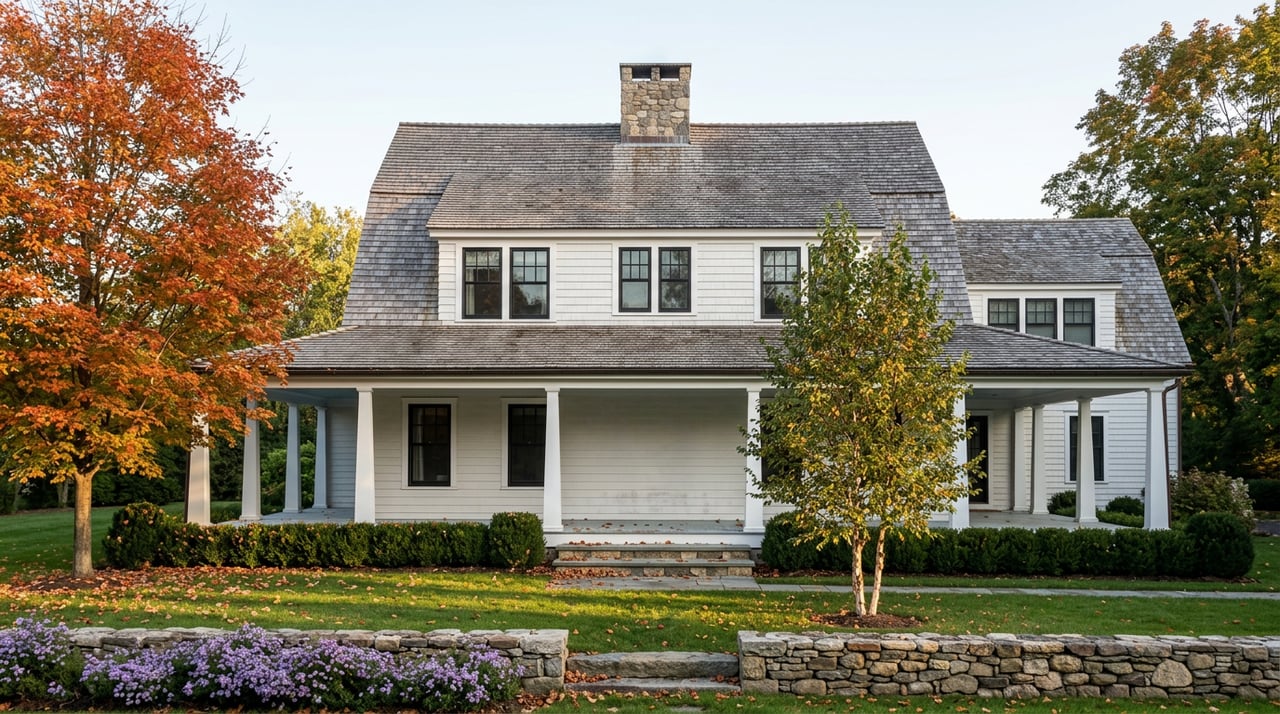
If you are drawn to architectural richness, Portland’s historic neighborhoods can be compelling. The West End is known for tree-lined streets, Victorian-era homes, brick sidewalks, private gardens, and landmark residences, while parts of the Spring Street Historic District preserve early architecture that survived both the Great Fire of 1866 and later urban renewal.
This part of Portland often appeals to buyers who want a home with a strong sense of place. You are not just buying square footage. You are buying craftsmanship, atmosphere, and a setting that feels rooted in the city’s history.
Visit Maine describes the West End as quieter than the East End, which can be especially appealing if you want walkability without being in the middle of the city’s most active areas. It is also noted as walkable to both the Arts District and the Old Port.
Waterfront historic fabric feels distinct
Historic Portland is not limited to inland streets. The Waterfront Historic District is described as one of the few intact East Coast historic waterfronts, with more than 70% of its structures built between 1850 and 1880.
The details here matter. Brick sidewalks with granite curbs, Belgian block streets, curved roadways that reflect the peninsula’s shoreline, and tightly built brick and granite buildings create an urban setting that feels very different from a modern development.
For some buyers, that setting is the luxury. It offers visual texture, harbor proximity, and a streetscape that has evolved over generations rather than being created all at once.
Historic ownership requires stewardship
Exterior changes may need review
A historic home can be deeply rewarding, but it often comes with more responsibility. In Portland’s historic districts and for individually designated landmarks, exterior alterations visible from a public way may require review.
That can include work on windows, doors, porches, siding, roofing, gutters, lighting, fences, paving, accessory structures, regrading, solar collectors, rooftop mechanicals, and the moving or demolition of contributing structures. Portland’s standards also emphasize preserving character-defining features.
In practical terms, this means historic ownership tends to suit buyers who are comfortable with a more thoughtful and sometimes slower process for exterior changes. If you value the ability to renovate quickly or make frequent visible updates, this is an important consideration.
Maintenance is part of the experience
Older luxury homes often require specialized trades and careful planning. That does not make them less desirable. It simply means the ownership model is different from a newer, managed residence.
If you love original details and understand the value of preservation, that stewardship can feel meaningful. If you prefer convenience and minimal upkeep, a newer waterfront option may be a better fit.
New waterfront builds prioritize convenience
Amenities shape the lifestyle
Portland’s newer waterfront and condo developments are built around a very different set of priorities. Rather than emphasizing private gardens or historic facades, these residences often focus on services, shared amenities, and a more turnkey experience.
Portland Foreside describes itself as a 10-acre revitalized eastern-waterfront neighborhood. Its Channel Mark condominiums highlight Casco Bay views, open interiors, and private terraces, while branded residences are positioned around hotel-style services and recreational amenities.
Hobson’s Landing at 387 Commercial Street offers a concierge-staffed lobby, fitness room, clubroom, shared workspaces, a reservable guest room, a dogwash, courtyards, and shared car service. Solaris on the East End is a seven-unit carbon-conscious condo project that includes organic garden plots for each owner.
Lock-and-leave living has appeal
For many luxury buyers, especially those considering a second home or seasonal base, newer waterfront residences are attractive because they reduce day-to-day maintenance. Local coverage notes that some downtown condo buyers choose this style of ownership specifically because they do not want to worry about upkeep while away.
That low-friction model can be especially useful if you split time between Maine and another market. If you want to arrive, enjoy the city, and leave without managing a standalone property, newer condo living may align better with your goals.
Portland neighborhoods shape the experience
West End feels quieter
The West End is often the strongest match if you want a quieter, architecturally rich setting. It is associated with tree-lined streets, historic homes, and a more residential rhythm while still offering access to the Arts District and Old Port.
If your ideal day includes walking to dinner or cultural destinations and returning to a more private setting, this area may deserve a close look.
Old Port feels energetic
Old Port represents one of Portland’s most recognizable urban experiences. It is known for cobblestones, brick storefronts, harbor edges, and a busy food scene.
If you want to feel immersed in the city’s activity and value being close to the working harbor, this environment can be exciting. Buyers comparing historic and newer options here should think carefully about how much public activity they want just outside their door.
East End adds views and open space
The East End centers around the Eastern Promenade, East End Beach, public gardens, and harbor views. It can appeal to buyers who want a more view-oriented lifestyle with access to open space and the waterfront.
This part of Portland also overlaps with some of the city’s newer residential expression, including projects that emphasize modern design and convenience.
Waterfront buyers should look closely at resilience
A waterfront address can be incredibly appealing, but it also calls for careful diligence. Maine MEMA states that sea level rise is making coastal flooding more frequent, and Maine climate materials note that sea level rise affects the entire coast and tidal rivers.
If you are considering a waterfront property, it is wise to review elevation, drainage, flood mapping, insurance considerations, building-envelope resilience, and condo-association reserves. These are not small details. They are central to understanding the long-term ownership picture.
The view may capture your attention first, but the practical side of waterfront ownership deserves equal care.
Questions to ask before touring
Before you begin visiting properties, it helps to refine your brief. A clear set of priorities can quickly narrow the field and make each showing more productive.
Ask yourself:
- Do you want historic stewardship or turnkey convenience?
- Do you prefer a private, legacy-feeling home or a service-rich residence with shared amenities?
- Will the property be for full-time living, a pied-à-terre, or seasonal use?
- How much public activity do you want at your doorstep?
- How comfortable are you managing waterfront risk and related due diligence?
Your answers will often point you in one direction very quickly. Buyers who want privacy, architecture, and legacy may gravitate toward the West End or Spring Street. Buyers who value convenience, amenities, and lock-and-leave ownership may feel more at home in Portland Foreside, Hobson’s Landing, or other newer waterfront residences.
Which luxury path fits you best
There is no universal winner in Portland’s luxury market. The right choice depends on how you define comfort, beauty, and ease.
If you want history, craftsmanship, and a strong sense of stewardship, a historic home may offer the richer experience. If you want views, simplicity, and a residence built around convenience, a newer waterfront home may serve you better.
The most successful purchase is usually the one that matches your real lifestyle, not just your first impression. If you want tailored guidance on Portland’s luxury homes, historic properties, or second-home opportunities in coastal Maine, Ana T.L. Dierkhising offers principal-led advice with a thoughtful, curated approach.
FAQs
What is the difference between historic homes and new waterfront builds in Portland, Maine?
- Historic homes usually offer architectural character, legacy appeal, and a stronger stewardship component, while new waterfront builds often focus on amenities, convenience, and lower-maintenance living.
What makes Portland’s West End appealing to luxury homebuyers?
- The West End is known for quieter, tree-lined streets, Victorian-era homes, private gardens, brick sidewalks, and walkable access to the Arts District and Old Port.
What should buyers know about owning a historic home in Portland, Maine?
- In Portland historic districts, exterior changes visible from a public way may require review, so buyers should be prepared for preservation standards and a more deliberate process for some updates.
What amenities do newer luxury waterfront condos in Portland offer?
- Depending on the project, newer waterfront residences may offer features such as concierge service, fitness rooms, clubrooms, shared workspaces, guest suites, courtyards, terraces, and other managed amenities.
What should buyers consider before purchasing waterfront property in Portland, Maine?
- Buyers should carefully review coastal flooding considerations, sea level rise exposure, elevation, drainage, flood mapping, insurance needs, building resilience, and condo reserves where applicable.
Is a new condo or a historic home better for a seasonal Portland residence?
- For many seasonal buyers, a newer condo can be a strong fit because it often offers a lower-maintenance, lock-and-leave lifestyle compared with a standalone historic home.