If you are drawn to San Francisco neighborhoods with a strong sense of place, Sea Cliff stands apart almost immediately. Tucked along the city’s northwest edge, it offers a rare mix of coastal drama, planned architectural character, and a quieter residential feel that can seem worlds away from the typical city grid. If you want to understand what everyday life here actually feels like, this guide will walk you through the neighborhood’s setting, design, landmarks, and lifestyle. Let’s dive in.
Sea Cliff’s Setting
Sea Cliff sits on San Francisco’s northwest edge, with the ocean and beach to the north, the Presidio to the east, and Lincoln Park and the Legion of Honor to the west. That location helps explain why the neighborhood feels both secluded and deeply connected to some of the city’s most memorable outdoor spaces.
Planning materials place Sea Cliff within San Francisco’s early residence-park tradition. In simple terms, that means it was conceived less like a dense urban grid and more like a landscaped enclave, with a layout and streetscape designed to feel calm, intentional, and visually cohesive.
Why Sea Cliff Feels Different
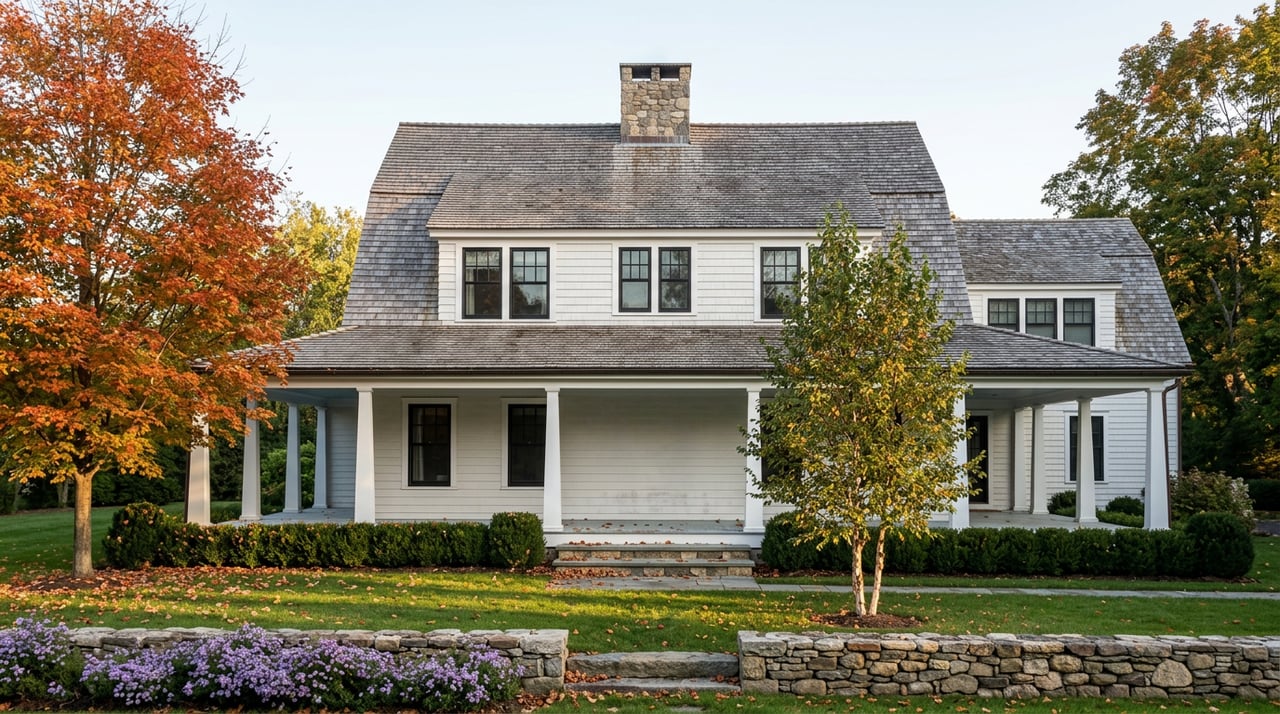
One of the clearest differences is the street pattern. Instead of a rigid grid, Sea Cliff is known for curving streets, gateway or columned entrances, generous front setbacks, and mostly detached homes that create openness and continuity from one block to the next.
That physical design shapes the experience of moving through the neighborhood. You notice the bluff-top geography, the planted edges, and the way houses sit within the landscape rather than crowding the sidewalk. The result is a setting that feels residential, polished, and distinctly coastal.
Sea Cliff’s Development Story
Sea Cliff began as part of the Baker Tract and remained largely undeveloped until the turn of the 20th century. Planning records describe the later subdivision as a project developed under builder Harry B. Allen, where buyers could commission their own homes or work through the developer’s company.
That approach helped produce an unusual level of visual consistency. Even though individual homes varied, the neighborhood developed with a cohesive rhythm of scale, massing, and siting that still defines its identity today.
Architecture You’ll See Most
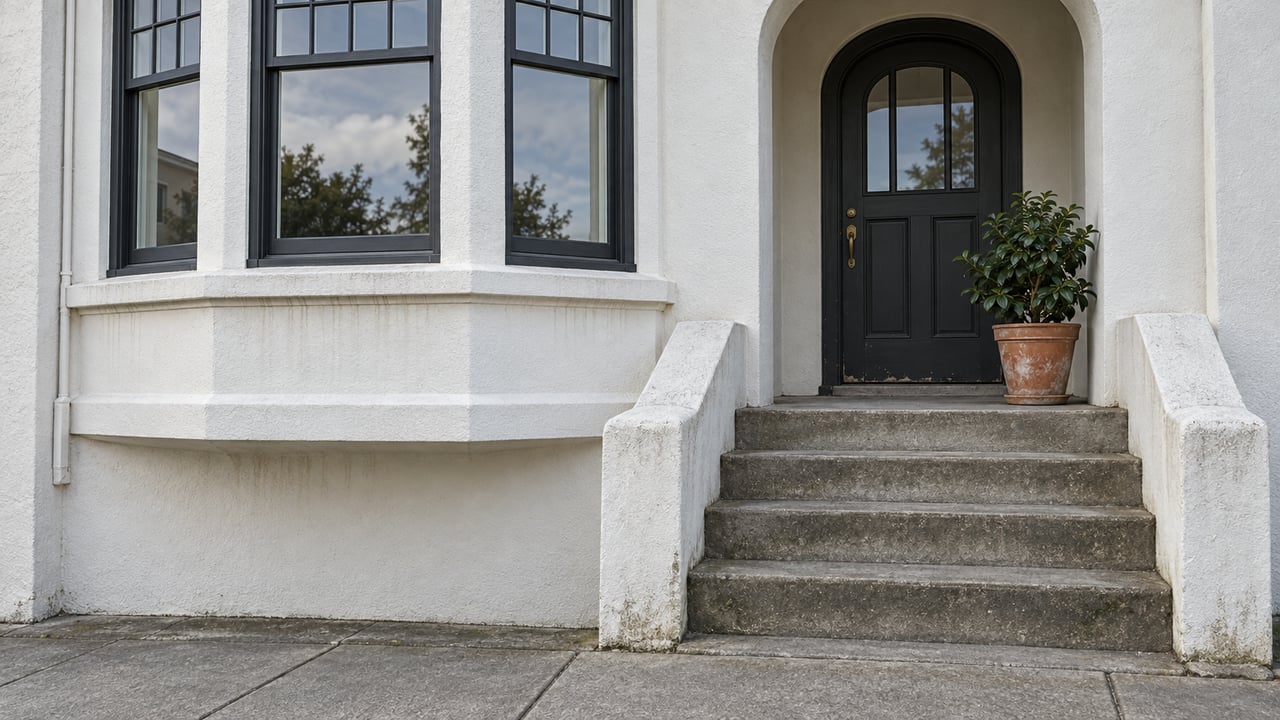
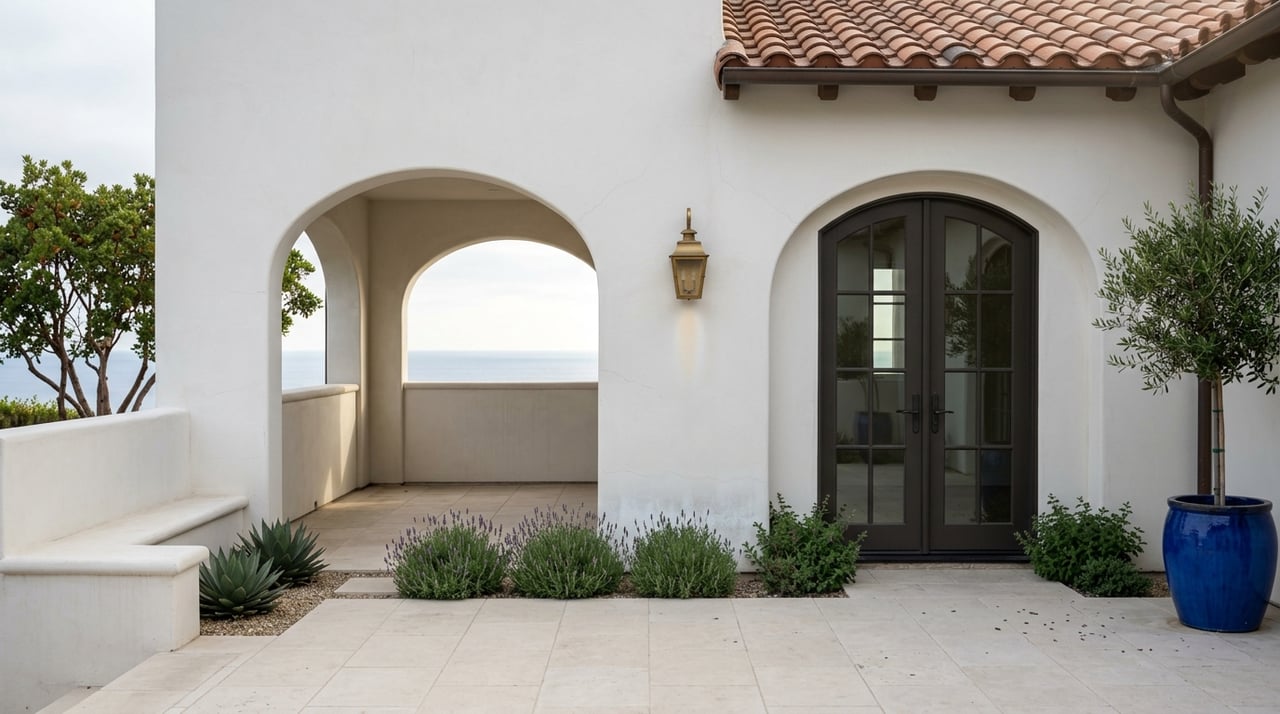
Sea Cliff’s historic core is best known for early 20th-century houses in French or Mediterranean, Spanish Revival, Edwardian, and Arts and Crafts or Tudor-influenced styles. Later modern homes appear as well, but they are generally secondary to the neighborhood’s original architectural character.
For anyone who appreciates residential design, this matters. Sea Cliff is not simply a collection of large homes with views. It is a deliberately planned coastal subdivision where architecture, setbacks, and streetscape work together to create a strong visual story.
Historic Character Matters Here
Planning materials have also discussed a potential Sea Cliff Historic District, with a period of significance roughly spanning 1913 to 1935. That does not just add context for architecture lovers. It reinforces the idea that Sea Cliff holds preservation value as a neighborhood, not only as a series of individual properties.
For buyers and sellers, that kind of historic identity often shapes how people experience the area. Character, continuity, and setting become part of the appeal, especially for those who value homes with legacy and a clear architectural point of view.
Coastal Views and Open Space
Sea Cliff’s coastal setting is central to daily life. The neighborhood’s position near the shoreline makes it easy to think of the coast not as an occasional destination, but as part of your everyday routine.
Nearby Lands End is one of the strongest examples. The National Park Service describes it as a windy trail landscape at the northwestern corner of San Francisco, with rocky cliffs, cypress and eucalyptus, and broad views of the shore, headlands, and Golden Gate.
That landscape gives Sea Cliff much of its emotional pull. Whether you are starting the day with a walk or catching the light in the late afternoon, the surrounding scenery makes the neighborhood feel immersive rather than simply scenic.
Lands End for Daily Walks
Lands End Trailhead offers practical access points that support regular use, including parking, restrooms, a café, a visitor center, and entry to the 2.9-mile Coastal Trail. That kind of infrastructure matters because it turns a striking natural setting into an easy local outing.
For many people, proximity to trails is part of how a neighborhood lives on a day-to-day basis. In Sea Cliff, cliff walks, shoreline views, and quick outdoor breaks feel close at hand rather than reserved for a special occasion.
China Beach and Baker Beach Nearby
China Beach sits between Lands End and Baker Beach in the Sea Cliff neighborhood, creating another option for getting outside close to home. Its tucked-away setting adds variety to the broader coastal experience around Sea Cliff.
Baker Beach is another nearby anchor. The Presidio Trust describes it as the Presidio’s most famous beach and notes its Golden Gate Bridge views, along with access by car, bike, bus, or Presidio shuttle.
Together, these nearby shorelines help define the neighborhood’s rhythm. Sea Cliff can feel private and residential, yet the coast remains a visible and usable part of everyday living.
Culture at the Neighborhood’s Edge
Sea Cliff’s appeal is not only natural. Its western edge meets Lincoln Park, home to the Legion of Honor, which the Fine Arts Museums of San Francisco describe as a Beaux-Arts building designed by George Applegarth that opened in 1924 on a bluff overlooking the Golden Gate.
That proximity gives the neighborhood a notable cultural dimension. You have residential calm, coastal scenery, and a major art institution within the same immediate orbit, which is unusual even by San Francisco standards.
What Everyday Living Feels Like
The best way to picture daily life in Sea Cliff is as a blend of retreat and access. You are in a neighborhood shaped by landscaping, architecture, and topography, yet you are also near trails, beaches, parkland, and a major museum.
That combination creates a lifestyle that feels grounded in place. Morning walks at Lands End, a stop by Baker Beach, or an afternoon near Lincoln Park become part of the neighborhood’s texture rather than separate day trips.
For many buyers, that is the heart of Sea Cliff’s appeal. It offers a residential setting with privacy and visual cohesion while staying closely tied to San Francisco’s west-side parks and coastal landmarks.
Who Sea Cliff Often Appeals To
Sea Cliff tends to resonate with people who value architecture, setting, and a sense of neighborhood identity. The area’s detached homes, landscaped setbacks, and preserved early 20th-century styles create a strong draw for those who want more than square footage alone.
It can also appeal to buyers looking for a home that feels like a place of stewardship. In a neighborhood where historic character and setting are so closely linked, thoughtful ownership and careful presentation often matter just as much as location.
Why Sea Cliff Stands Out
What gives Sea Cliff its visual identity is not one single feature. It is the combination of bluff-top geography, curving streets, gateway entrances, landscaped setbacks, and predominantly detached early 20th-century homes.
That layered identity is why Sea Cliff remains so distinctive. It feels tucked away, architecturally coherent, and deeply tied to the coast, while still sitting within San Francisco’s wider park and cultural landscape.
If you are considering a move in one of San Francisco’s most character-rich residential enclaves, local perspective matters. For tailored guidance on Sea Cliff and other premier San Francisco neighborhoods, connect with Ana T.L. Dierkhising.
FAQs
What defines Sea Cliff in San Francisco?
- Sea Cliff is defined by its northwest San Francisco setting, bluff-top coastal location, curving streets, landscaped setbacks, gateway entrances, and detached early 20th-century homes.
What architectural styles are common in Sea Cliff?
- The neighborhood’s historic core is dominated by French or Mediterranean, Spanish Revival, Edwardian, and Arts and Crafts or Tudor-influenced homes, with some later modern infill.
What outdoor areas are near Sea Cliff?
- Nearby outings include Lands End, China Beach, and Baker Beach, all of which contribute to the neighborhood’s strong coastal lifestyle.
What makes Sea Cliff feel different from other San Francisco neighborhoods?
- Sea Cliff was planned within San Francisco’s residence-park tradition, so it feels more like a landscaped enclave than a standard city grid.
What cultural landmark is next to Sea Cliff?
- Sea Cliff borders Lincoln Park, home to the Legion of Honor, a Beaux-Arts museum that opened in 1924 on a bluff overlooking the Golden Gate.