If you are drawn to Yarmouth, one question quickly rises to the top: do you want to live in town, near the water, or farther out where the pace feels quieter? Each part of Yarmouth offers a distinct daily rhythm, and the right fit depends less on a map pin than on how you want your days to unfold. This guide will help you compare Yarmouth’s Village Center, water-adjacent pockets, and more rural-feeling edges so you can choose an address with clarity and confidence. Let’s dive in.
How Yarmouth Is Laid Out
Yarmouth is often easiest to understand in three parts: the in-town village core, the water-oriented edge, and the lower-density inland fringe. According to the town’s 2024 comprehensive plan, Yarmouth is shaped around a compact, walkable village center, older residential neighborhoods, and a rural and coastal hinterland.
Route 1 runs the length of town and helps define that pattern. The town notes that it separates Main Street and the Village from the coast, which matters when you are weighing walkability against water access.
Choose In-Town for Everyday Convenience
If you want a classic village setting, Main Street and the Village Center are the natural starting point. The town describes Main Street as the heart of historic Yarmouth, with small businesses, restaurants, and a strong community role.
This area is part of Yarmouth’s primary Growth Area and is generally served by public utilities. In practical terms, that often means a more connected, traditional in-town experience with services and destinations closer at hand.
What In-Town Living Feels Like
The Village Center character district mixes residential, retail, office, and other commercial uses. Its design emphasizes sidewalks, street trees, shallow setbacks, and small blocks, which supports a more walkable daily routine.
If you like the idea of stepping out for errands, dining, or a quick stroll through a historic setting, this is likely the strongest fit. You are choosing convenience, closeness, and a more active streetscape.
Key Areas to Know
When people talk about Yarmouth’s historic core, you will often hear a few place names:
- Main Street
- Village Center
- Lower Village near the mouth of the Royal River
- Upper Village around Hillside Street and the rail corridor
These are not just local shorthand. They reflect the town’s historic development pattern and help explain why in-town Yarmouth can feel layered, established, and architecturally varied.
What the Housing Character Looks Like
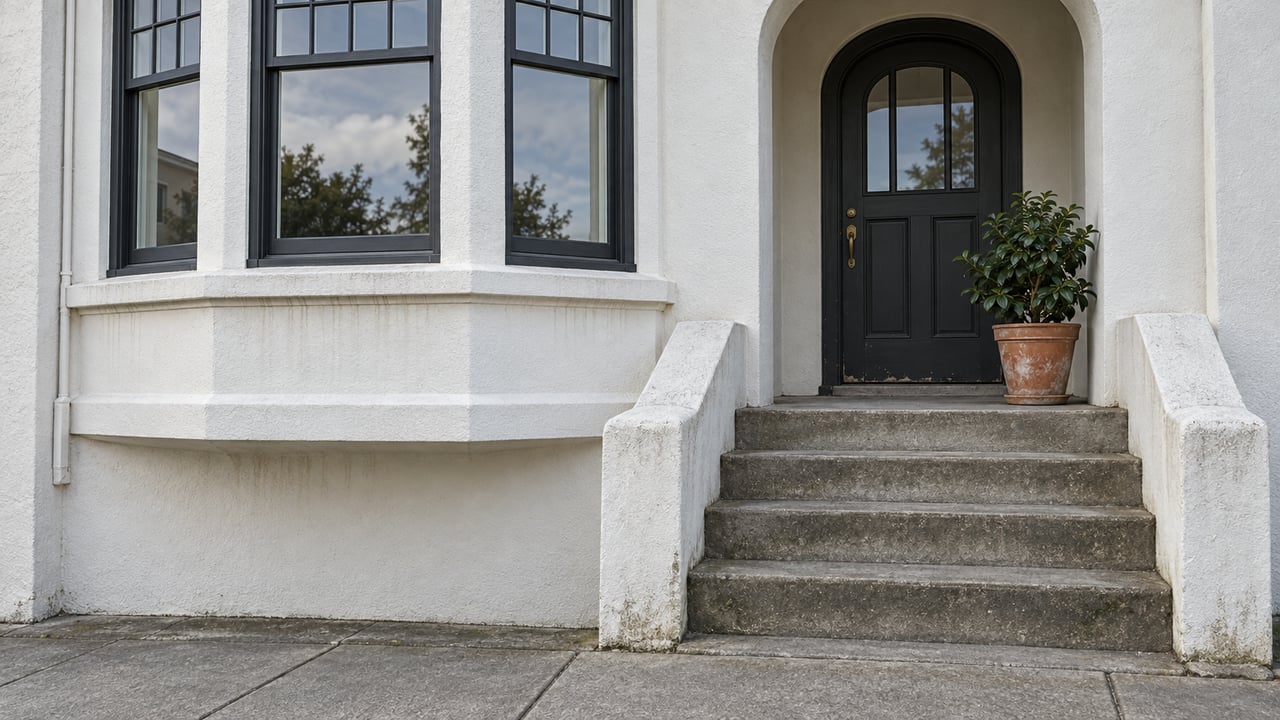
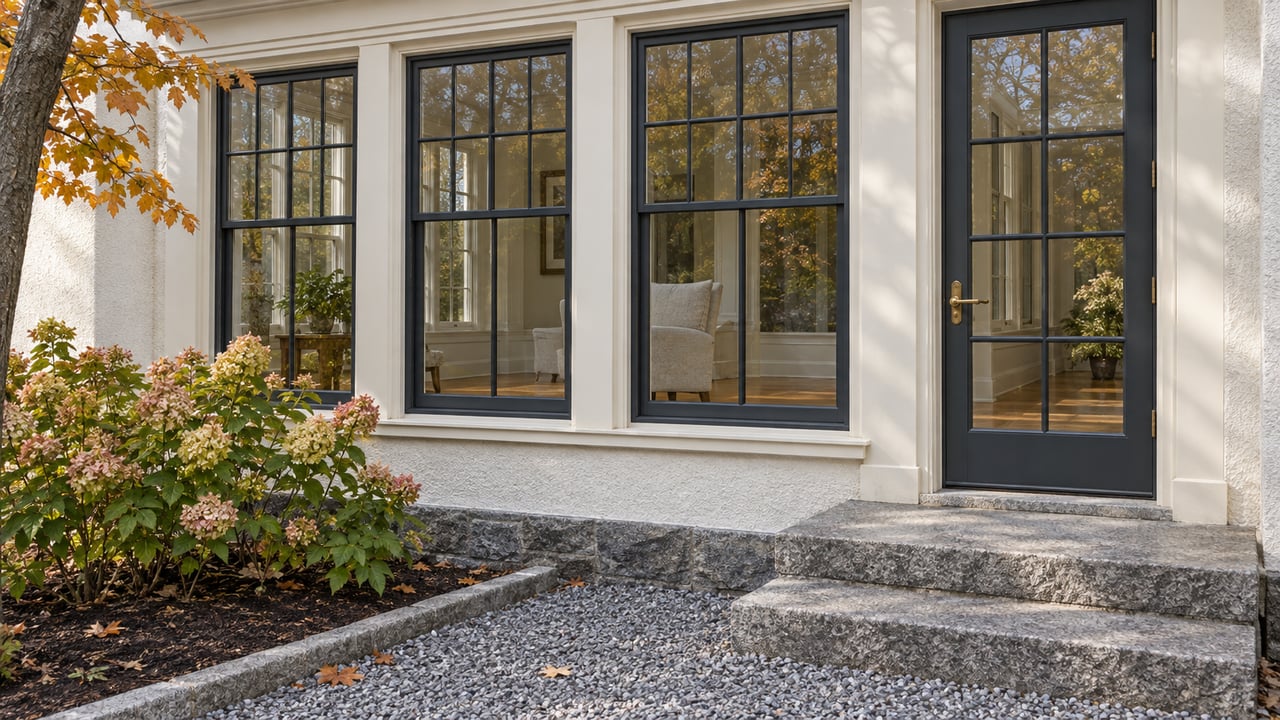
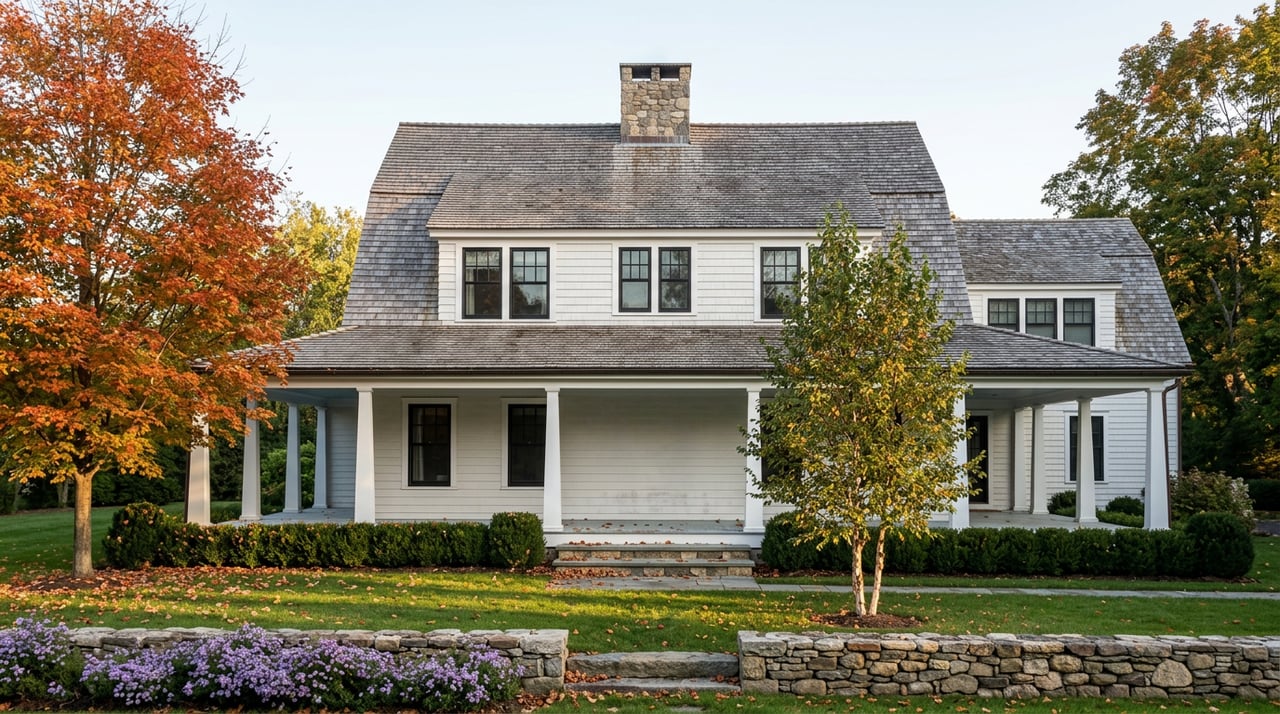
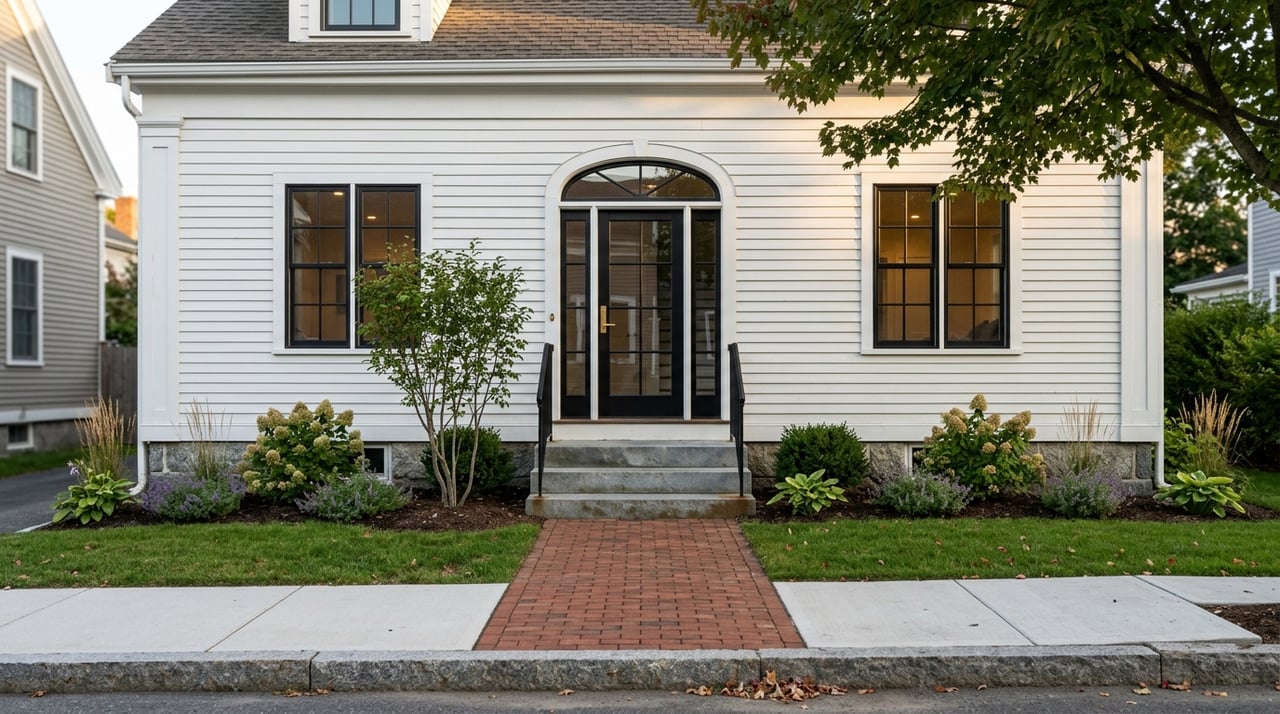
Yarmouth’s design manual identifies a wide range of historic residential styles in town, including Colonial, Federal, Greek Revival, Italianate, Queen Anne/Shingle, and Colonial Revival. That means many in-town streets lean older and wood-frame, with more architectural variety than you might find in a newer subdivision.
For buyers who value character and legacy, that can be a major draw. For sellers, it can also shape how a home is positioned, presented, and marketed.
The Main Tradeoff In Town
The tradeoff is straightforward: density versus convenience. The town’s planning work notes that the Village Center and nearby neighborhoods balance business activity, livability, parking management, and a tighter historic streetscape.
If you prefer larger lots, more separation from neighbors, or a quieter visual environment, the village core may feel more active than you want. If convenience is high on your list, the tradeoff may be well worth it.
Choose Near the Water for Access and Setting
Yarmouth’s waterfront side is more nuanced than many buyers expect. It is not one continuous waterfront district. Instead, it is a collection of smaller pockets around the Royal River mouth, Cousins River, harbor edge, and island-oriented access points.
That distinction matters. In Yarmouth, a water-adjacent address often offers a lifestyle centered on access, views, launches, and a stronger connection to the shoreline rather than a dense village scene.
Water-Oriented Areas to Watch
Some of the place names that come up most often include:
- Royal River
- Cousins River
- Princes Point and Old Town Landing
- Town Landing
- Littlejohn Island
- Cousins Island
- Sunset Point
- Madeleine Point
The town’s comprehensive plan identifies these and other access points as part of Yarmouth’s coastal geography. Each pocket has its own feel, which is one reason water-oriented home searches here benefit from a very tailored approach.
What a Water-First Lifestyle Means
The town identifies marine access points tied to launches, moorings, beach or kayak access, and ferry-related parking. Some access is deep-water, while some is tide-dependent or suited to hand-carry launching.
The Harbor Master manages seasonal launch and parking passes, and the town is planning small-scale amenities at waterfront access points, including paddle ramps, benches, maps, and a playground. For you as a buyer, that signals a lifestyle tied to recreation, shoreline use, and local marine access rather than a storefront-lined waterfront district.
The Main Tradeoff Near the Water
The biggest tradeoff is convenience versus setting. A river, harbor, or island-adjacent address may feel more private and more specialized, but day-to-day errands will usually require more driving than in the Village Center.
If you picture mornings near the shore, easy launch access, or a more tucked-away setting, the water side of Yarmouth may be exactly right. If you want cafes, shops, and errands close by, the village may still win.
Choose the Fringe for Space and Privacy
If your priority is room to spread out, Yarmouth’s inland edge may feel like the best fit. The town describes this part of Yarmouth as a transition to larger lots, conservation land, and lower-intensity residential patterns.
This is not simply empty land. It is a mix of lower-density homesites, preserved landscapes, and suburban-to-rural transitions that create a quieter sense of space.
What the Outskirts Look Like
The comprehensive plan points to Rural Residential and Low Density Residential districts, where minimum lot sizes are generally around 2 to 3 acres for single-family homes and 4 to 6 acres for two-family homes. That gives you a useful baseline for understanding why some addresses feel more spread out and private.
At the same time, the town notes that much of Yarmouth’s residential construction took place between 1960 and 1990, after the arrival of Route 1 and I-295. So some inland areas may read as suburban rather than truly rural, even outside the village core.
Conservation Shapes the Feel
Conservation land is a major part of Yarmouth’s edge landscape. The comprehensive plan references preserved areas such as Spear Farm Estuary Preserve, Riverfront Woods Preserve, Littlejohn Island Preserve, and the Cousins River Marsh and Watershed property.
For buyers, that often translates to a lower-density backdrop and a stronger sense of separation from busier parts of town. If privacy and open surroundings matter most, this part of Yarmouth deserves a close look.
The Main Tradeoff on the Fringe
The rural-feeling fringe is the most car-dependent setting in town. Yarmouth remains regionally connected through Route 1 and I-295, but neighborhood-level transit is limited compared with the convenience of living closer to the center.
If your lifestyle depends on walking to destinations, this may not be your ideal match. If you value space, a calmer setting, and a lower-intensity streetscape, it can be very appealing.
Route 1 Can Be a Useful Middle Ground
Not every buyer wants to choose between village density and a more removed setting. Route 1 can offer a practical middle ground for those who want easier driving access while staying relatively close to the village core.
The town describes Route 1 as Yarmouth’s main auto corridor and notes that it remains largely auto-oriented. For some buyers, that makes it a smart compromise: more convenient for regional travel, with access to the broader town still within reach.
Transit and Regional Connections
For local and regional movement, Yarmouth has a few helpful options to keep in mind. Metro’s BREEZ express runs between Portland, Yarmouth, Freeport, and Brunswick, with a Yarmouth Town Hall stop shown on current route maps.
Metro Connect on-demand also lists direct service to several Yarmouth-area destinations, including Town Landing Market, Route 88, and Johnson Road. For rail travel, buyers often look to the nearby Downeaster stations in Portland or Brunswick, which Amtrak says serve five daily round trips between Brunswick and Boston.
For many second-home buyers and bicoastal clients, these regional links can add flexibility. Still, your day-to-day experience in Yarmouth will depend much more on the micro-location you choose.
How to Decide Which Yarmouth Address Fits
A smart way to narrow your search is to focus on how you want your week to feel, not just what you want the house to look like. Ask yourself where convenience, setting, privacy, and shoreline access fall in your priorities.
Here is a quick way to think about it:
- Choose Main Street or the Village Center if you want walkability, historic character, and easier daily errands.
- Choose Royal River, Cousins River, Town Landing, or island-adjacent pockets if you want a water-oriented lifestyle with access and setting leading the experience.
- Choose Rural Residential or Low Density Residential areas if you want larger lots, conservation surroundings, and more separation.
- Consider Route 1 locations if you want a middle path between in-town access and easier driving connections.
The right address is the one that supports your routines, your priorities, and the way you want to use the property over time. In a town as layered as Yarmouth, that choice is worth making with care.
If you are considering a move to Yarmouth, especially a historic home, second residence, or coastal property with a very specific lifestyle goal, a tailored search can make all the difference. For discreet, principal-led guidance shaped around how you want to live, connect with Ana T.L. Dierkhising.
FAQs
What is the difference between Main Street and waterfront living in Yarmouth?
- Main Street and the Village Center offer a more walkable, mixed-use setting with businesses, restaurants, and historic streetscapes, while waterfront areas are more pocketed and tend to focus on access, views, and shoreline use.
What areas count as in-town Yarmouth for homebuyers?
- In-town Yarmouth generally refers to Main Street, the Village Center, Lower Village, Upper Village, and nearby residential streets within the town’s primary Growth Area.
What does waterfront living in Yarmouth usually mean?
- In Yarmouth, waterfront-oriented living often means being near places like the Royal River, Cousins River, Town Landing, Princes Point, Cousins Island, or Littlejohn Island, where water access and setting play a larger role than walkable retail.
What are Yarmouth’s more rural-feeling areas like?
- Yarmouth’s fringe areas typically have larger lots, lower-density residential patterns, and more nearby conservation land, with a more car-dependent daily routine.
Is Yarmouth easy to commute from?
- Yarmouth is regionally connected by Route 1 and I-295, and it also has BREEZ express service and access to nearby Downeaster stations in Portland and Brunswick.
How should buyers choose a Yarmouth address?
- The best choice depends on whether you prioritize walkability, water access, privacy, lot size, or driving convenience, since each part of Yarmouth supports a different lifestyle.