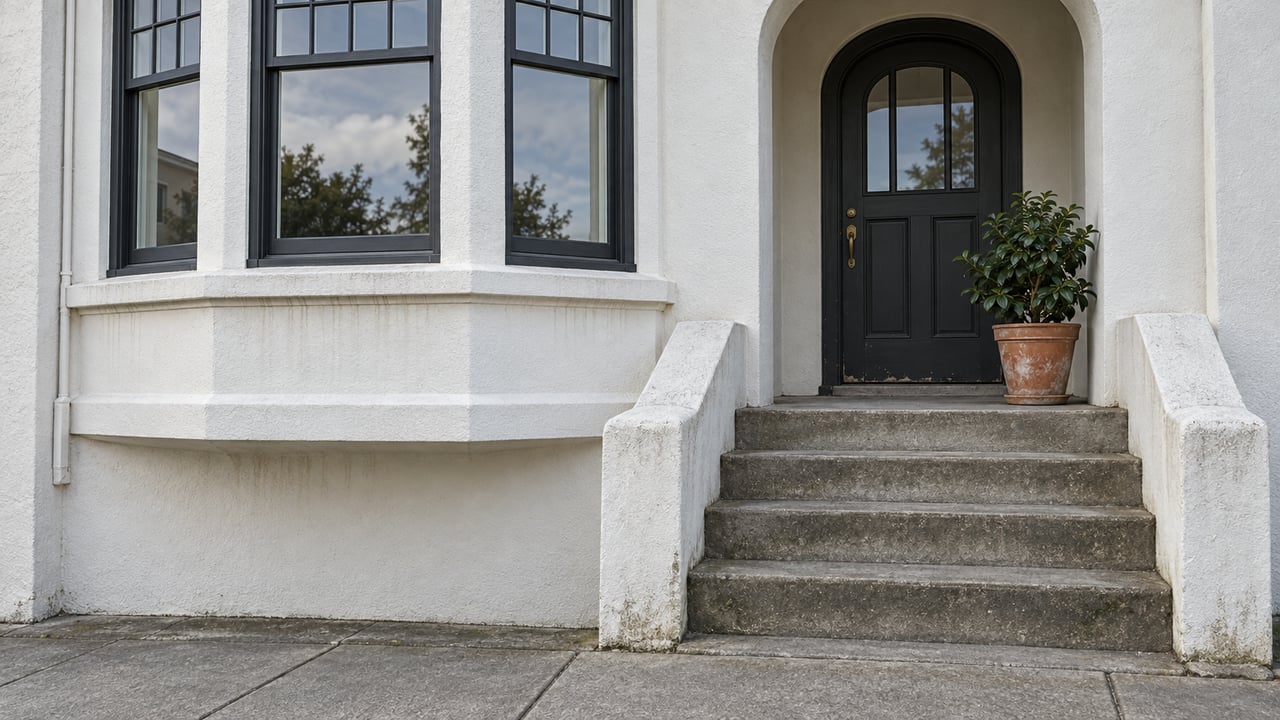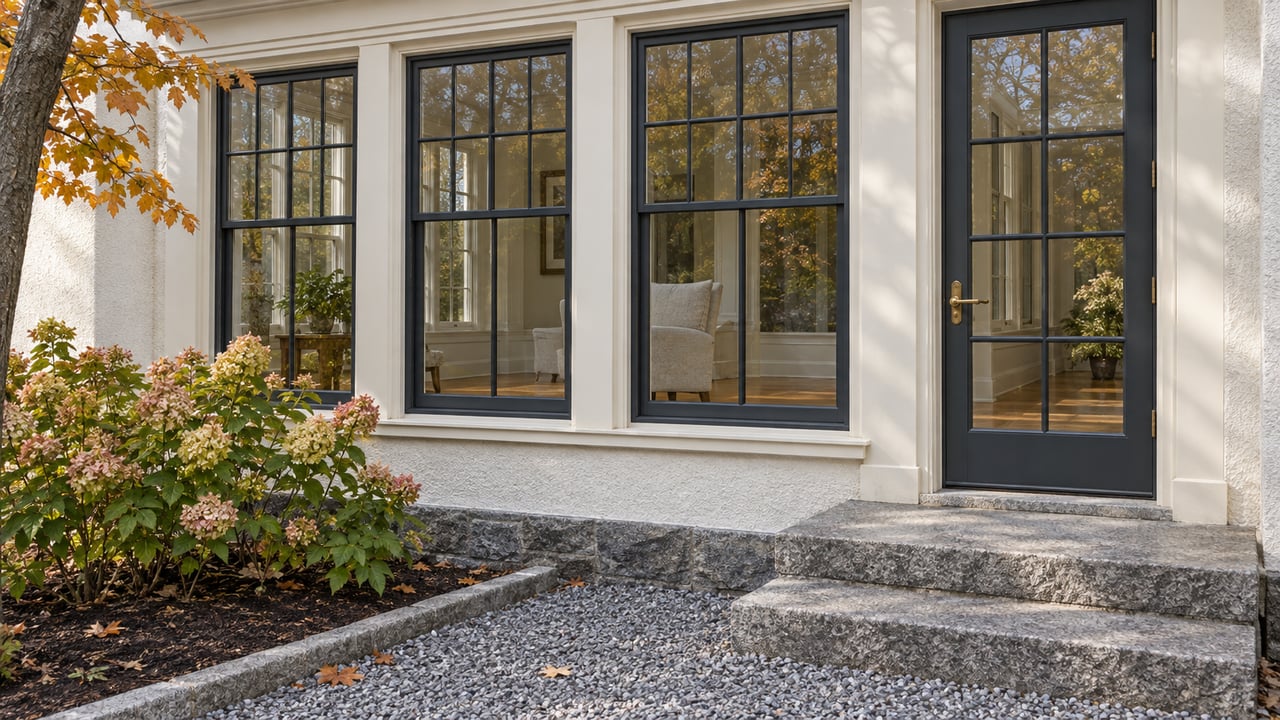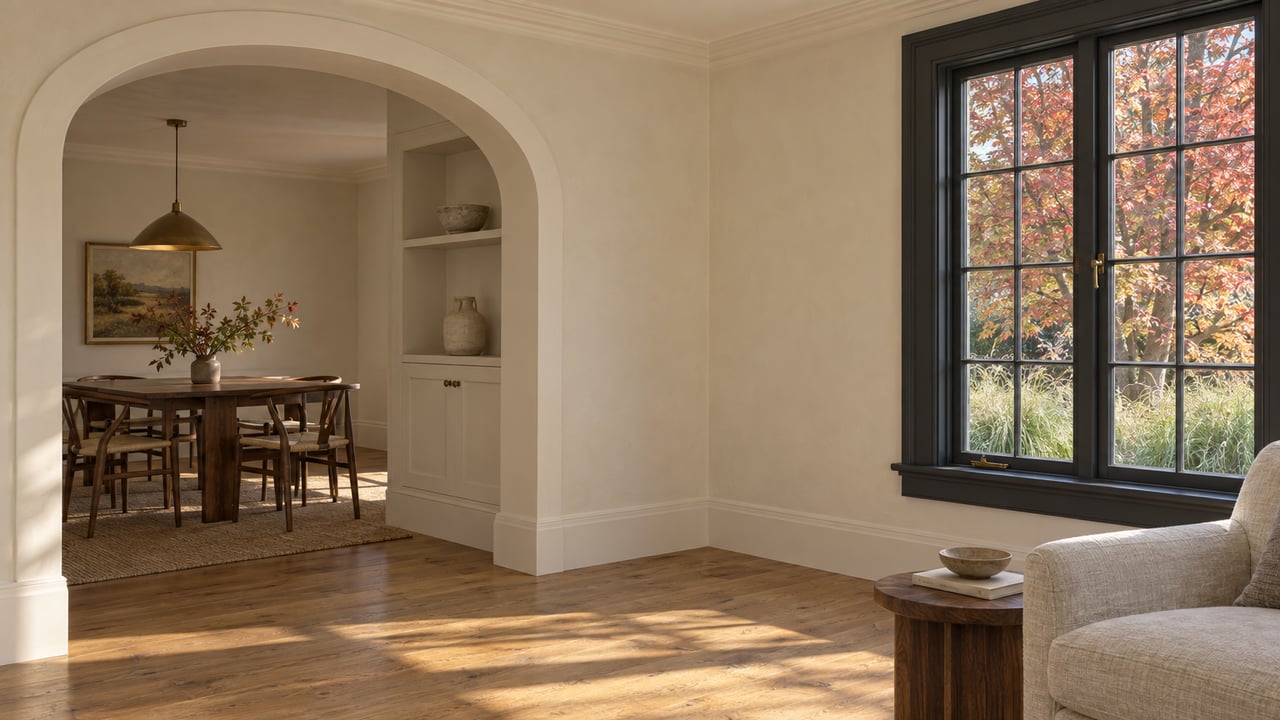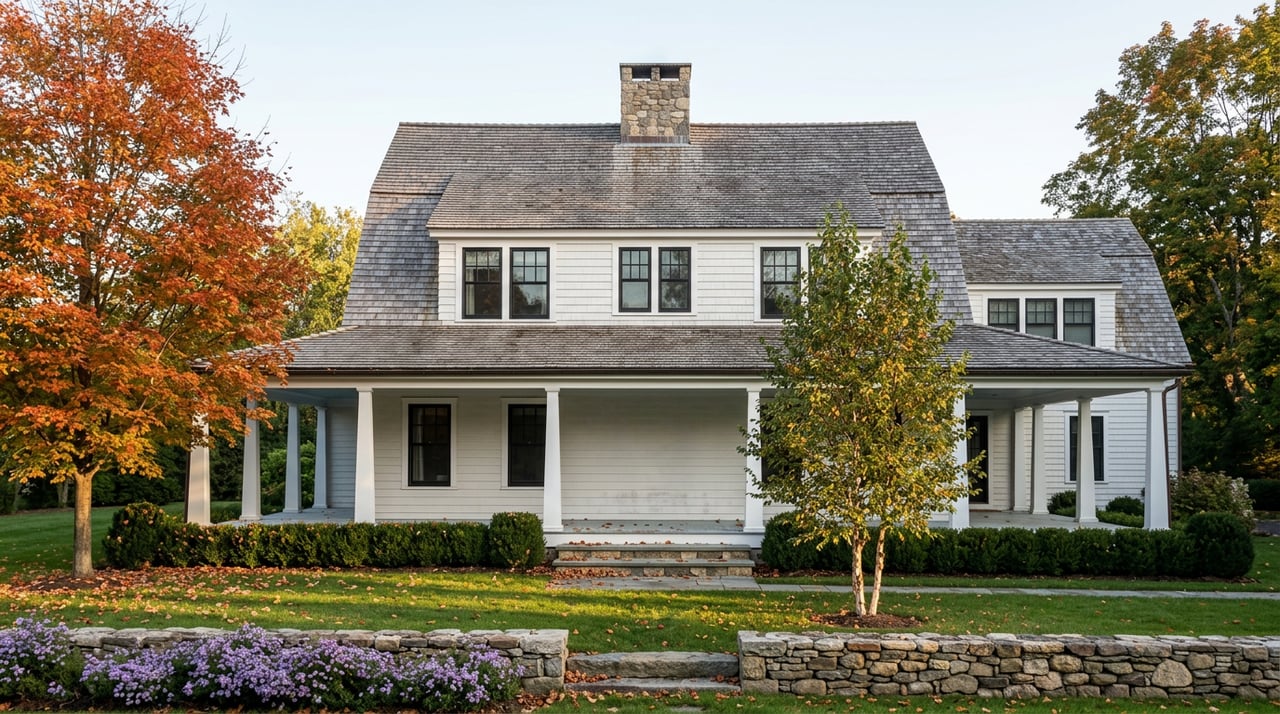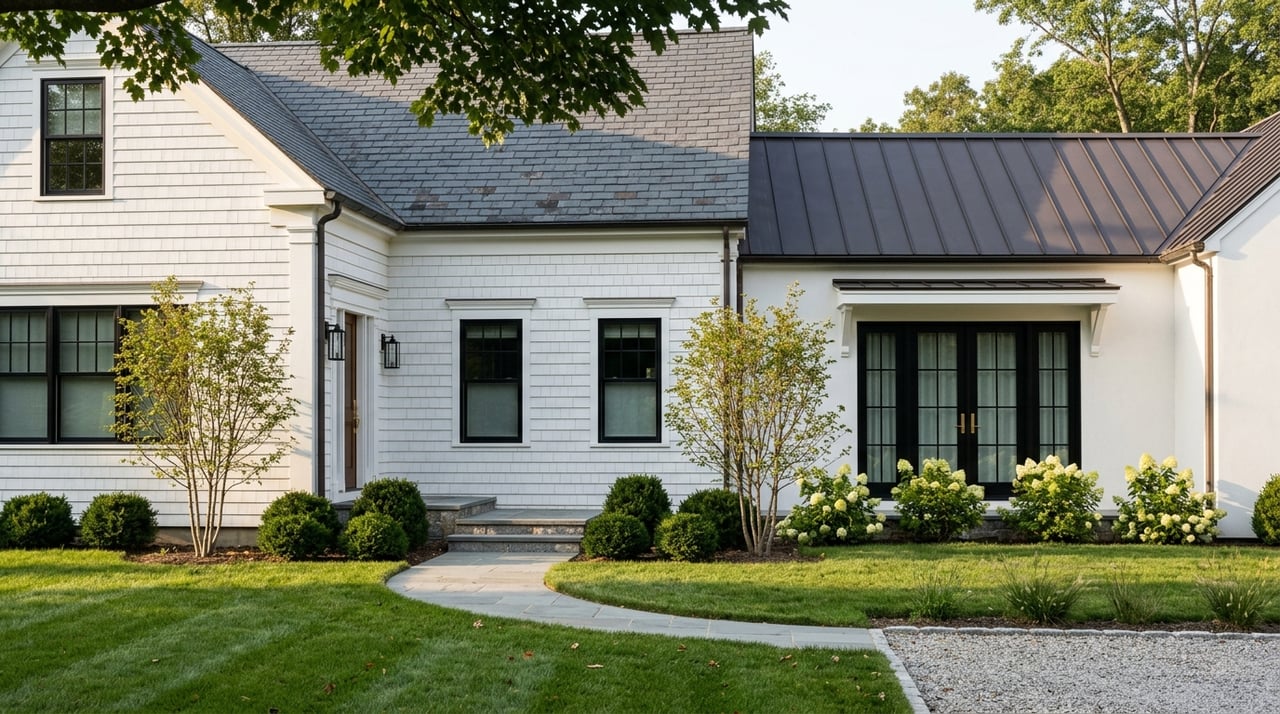
If you are deciding between building new or buying an existing home in Cumberland, you are really weighing control against convenience. That choice can feel especially nuanced in Cumberland Center, where resale prices are high, land is limited in practical ways, and the path to new construction involves more than simply choosing a floor plan. The good news is that with the right local guidance, you can compare both options clearly and move forward with confidence. Let’s dive in.
Cumberland market context
In Cumberland Center, the existing-home market remains active and relatively expensive. Redfin reports a median sale price of $733,062 in February 2026, with median days on market at 53 and a sale-to-list ratio of 99.5%. For you as a buyer, that means resale homes can still attract strong interest even in a somewhat cooler market.
At the same time, building new is shaped by Cumberland’s land supply and zoning. According to the town’s Land Use Chapter update, 94% of Cumberland’s land is in residential districts, and about 21% of residential-district land is vacant. Most of that vacant land is in rural residential areas, which helps explain why new construction often starts with a larger parcel rather than an easy in-town infill lot.
Why building new can be appealing
For many buyers, the biggest advantage of new construction is control. You can often shape the layout, finishes, systems, and siting to better match how you want to live. If you are looking for a long-term or seasonal home in coastal Maine, that level of customization can be especially valuable.
A new home may also offer more predictability in the early years of ownership. The U.S. Department of Energy notes that ENERGY STAR-certified homes are designed for improved durability and comfort, as well as reduced utility and maintenance costs. That same DOE source also cites studies showing resale premiums ranging from 2% to 8%, including a Freddie Mac study that found a 2.7% average sales-price premium for energy-efficient single-family homes.
If you value newer systems and lower near-term maintenance, a custom or semi-custom build can be compelling. You may avoid some of the immediate repair planning that can come with an older home. You also gain more say over orientation, floor plan, and how the home sits on the land.
What building new requires in Cumberland
In Cumberland, building new involves a meaningful municipal review process. The town’s Code Enforcement page explains that construction must comply with the 2021 IRC, IBC, IECC, and MUBEC, and a site plan must be submitted. Depending on the property, site-plan review by Planning Staff or the Planning Board may be required before a building permit is issued.
The town’s building permit application packet shows how detailed that process can be. Typical documentation includes a growth permit, full construction plans, elevations, a cross-section, a foundation plan, a floor plan, a plot plan showing setbacks and drainage, and septic or sewer information. If the structure is more complex, engineer review may also be needed.
That paperwork matters because many lots in Cumberland are not plug-and-play building sites. The town’s zoning district requirements show that RR2 requires a 2-acre minimum lot size with 200 feet of frontage, while RR1 requires 4 acres without sewer and 2 acres with sewer. In simple terms, larger parcels and wider setbacks often mean more site planning, more coordination, and sometimes higher development costs.
Land realities in Cumberland
If you are considering a lot purchase, it helps to understand what the current market looks like on the ground. Recent active listings cited in the research include a 9.48-acre parcel on Pointer Way listed for $275,000 and a 13.3-acre parcel on Tinker Lane/Pointer Way listed for $400,000. One of those listings notes that road improvement will likely be needed before building, which is a useful reminder that raw land can come with hidden layers of cost and logistics.
This is where builder selection becomes especially important. On a resale purchase, you are evaluating an existing structure. On a raw lot, you are evaluating access, drainage, utilities, setbacks, permitting, and site work before the home even begins.
If the property is along corridors with additional design oversight, there may be another layer to consider. Cumberland’s Route 100 Design Guidelines call for conceptual master planning on larger sites, licensed professional design, minimized curb cuts, and architectural detailing intended to fit the corridor. Not every homesite is subject to the same level of design review, but location matters.
Costs to compare carefully
New construction often carries a larger upfront cost stack than buying an existing home. In addition to the lot itself, you may need to budget for site work, utility connections, septic or sewer, permits, impact fees, engineering, and possibly road work. Cumberland’s permit packet outlines several direct costs, including a $100 growth permit, a residential building-permit fee based on square footage, a non-engineered septic permit fee of $390, and a shoreland permit fee of $150 where applicable.
Cumberland also applies an impact fee to new residential structures. The fee is calculated at $1.40 per square foot of gross floor area after the first 1,000 square feet, and it must be paid before the permit is issued. That does not automatically make building the wrong choice, but it does mean your budget should account for more than hard construction costs.
Taxes are part of the equation too. Cumberland’s tax information page lists a 57% assessment ratio, a homestead exemption of $14,250, and a 2024-2025 tax rate of $25.18. For a new build, the practical takeaway is that once construction is complete, the finished home will ultimately be assessed based on its completed value, which can materially change your carrying costs.
Why buying an existing home may be smarter
For many buyers, an existing home is the more efficient option. The home already exists, so you can usually move from search to closing much faster than you can with land acquisition, planning, permitting, and construction. In a market where resale inventory remains competitive, speed and clarity can be very valuable.
An existing home also lets you evaluate the setting, scale, and feel of the property right away. You can walk through the rooms, assess natural light, and understand the lot without imagining a future result on paper. That can make decision-making easier, particularly if your timeline is tied to relocation, seasonal use, or a life transition.
There are tradeoffs, of course. Existing homes may come with older systems, deferred maintenance, or renovation needs. If you are buying an older home that needs work, HUD’s 203(k) program is one financing option designed for homes that are at least one year old and need purchase-and-rehab financing.
Timeline differences matter
Timing is often one of the clearest dividing lines between these two paths. Cumberland’s Planning Department says subdivision and site-plan applications are due at least 28 days before the Planning Board meeting where they will be considered. That is only one step in a much longer sequence that can include due diligence, design, permitting, site work, and the construction period itself.
National Census data cited in the research show that the average time from start to completion for a new privately owned single-family home in 2022 was 8.3 months nationwide and 10.7 months in the Northeast. Your timeline could be shorter or longer depending on the lot, the weather, the builder, and the approval path. By contrast, an existing home in Cumberland can often close on a much more familiar and predictable schedule.
A simple way to decide
If you are unsure which route makes more sense, start with your priorities. Building new tends to suit buyers who have a flexible timeline, want customization, and are comfortable with more moving parts. Buying an existing home often works better for buyers who value speed, simplicity, and immediate use.
Here is a practical framework you can use:
Choose new construction if you want:
- More control over design and layout
- Newer systems and potentially lower early maintenance
- A home tailored to your long-term lifestyle
- Flexibility to manage a longer timeline
Choose an existing home if you want:
- Faster occupancy
- Less land-development complexity
- A clearer understanding of the finished product upfront
- Potentially fewer pre-construction decisions
In Cumberland, the answer is rarely just about style preference. It is about how you want to spend your time, where you want certainty, and what level of complexity fits your goals.
Local guidance makes a difference
In a market like Cumberland Center, both paths can be successful with the right strategy. A resale purchase may require quick, well-informed decisions in a competitive environment. A new build may require careful review of lot constraints, zoning, permits, fees, and builder fit before you ever break ground.
If you are weighing a build versus a resale in Cumberland, working with an advisor who understands nuance, timing, and high-value property decisions can save you both time and costly missteps. For tailored guidance on Cumberland Center and coastal Maine opportunities, connect with Ana T.L. Dierkhising, who offers a principal-led, highly curated approach for discerning buyers and sellers.
FAQs
Should you build new or buy an existing home in Cumberland Center?
- It depends on your priorities. Building new offers more customization and newer systems, while buying an existing home usually means faster occupancy and less development complexity.
How competitive is the existing-home market in Cumberland Center?
- According to Redfin, the February 2026 median sale price was $733,062, median days on market were 53, and the sale-to-list ratio was 99.5%, which suggests established homes can still attract strong buyer interest.
What zoning issues affect new construction in Cumberland?
- Cumberland’s zoning rules can require larger minimum lot sizes and substantial frontage and setbacks, especially in rural residential districts, which can make lot selection and site planning more involved.
How long does it take to build a new home in Cumberland?
- The process can take many months because it may include due diligence, planning review, permitting, site work, and construction. National Census data cited in the research show an average of 10.7 months from start to completion for new single-family homes in the Northeast in 2022.
What extra costs come with building a new home in Cumberland?
- In addition to land and construction, you may need to budget for site work, septic or sewer, permit fees, impact fees, engineering, and possible road improvements depending on the lot.
Are existing homes in Cumberland more likely to need updates?
- They can be. Existing homes may offer immediate livability, but some may also require repairs, system updates, or energy improvements, so inspections and renovation planning are important parts of the comparison.