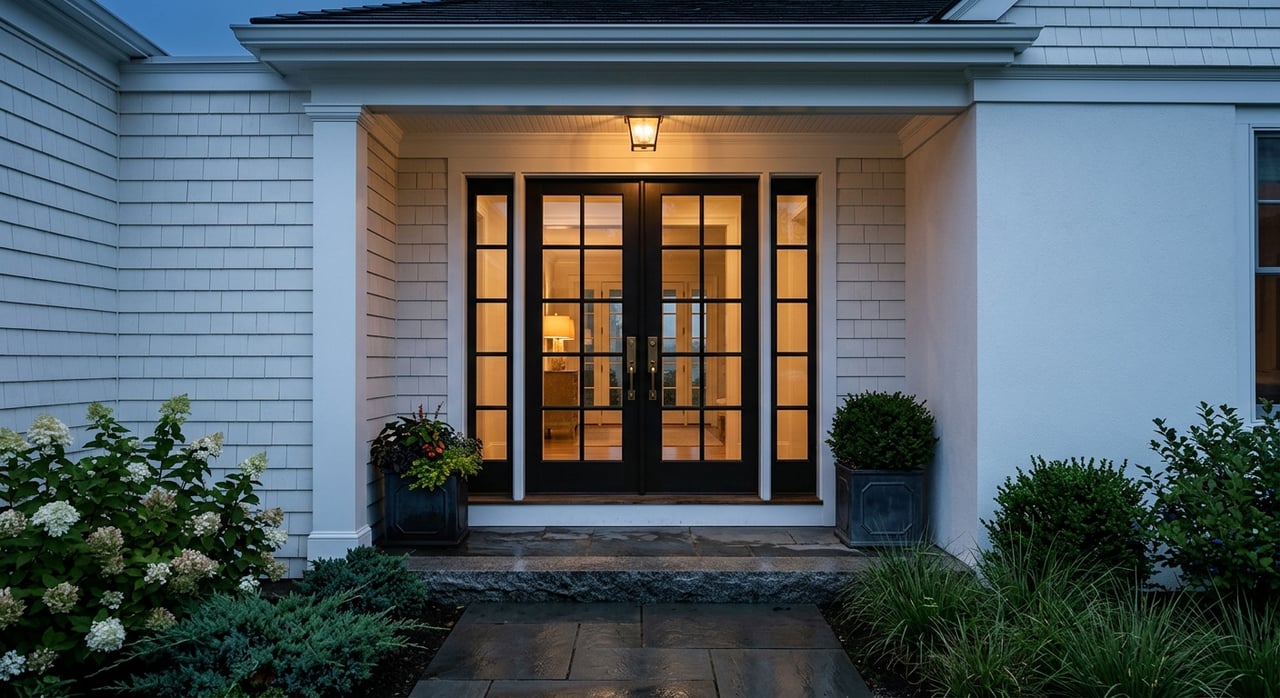
If you want a coastal Maine town that feels charming in summer and genuinely lived-in all year, Yarmouth deserves a closer look. For many buyers, the question is not just whether a town is pretty, but whether daily life actually works once the novelty wears off. In Yarmouth, you get a compact village setting, practical access to Portland, and a strong sense of community rhythm that extends well beyond peak tourist season. Let’s dive in.
Yarmouth at a glance
Yarmouth is about 11 miles northeast of Portland and is known as a historic village Main Street community with Royal River views and sheltered harbor access. It is a relatively small town, with an estimated population of about 9,060 and 3,506 households. The housing profile also points to a settled community, with an owner-occupied housing rate of 80.4%.
That year-round feel is one of Yarmouth’s defining traits. According to the town’s 2024 comprehensive plan, Yarmouth is a majority year-round community rather than a place shaped mainly by seasonal population swings. If you are looking for a coastal setting that still feels active in January, that distinction matters.
Daily life feels connected and manageable
Living in Yarmouth often means you can keep many parts of your routine close to home. Errands, dining, schools, and waterfront access are woven into the town rather than spread far apart. That creates a day-to-day experience that feels efficient without losing the character people often want in coastal Maine.
At the same time, Yarmouth is not isolated. The town’s location makes it part of the broader Greater Portland orbit, so you can enjoy a smaller community while staying connected to regional jobs, services, and travel routes. For many buyers, that balance is a major draw.
Commuting from Yarmouth
Yarmouth is accessible from both Interstate 295 and Route 1, and commuting is a normal part of local life. The town’s comprehensive plan says roughly 87% of residents commute outside Yarmouth for work, while about 13% both live and work in town. Nearly 90% of people who work in Yarmouth commute in from other towns.
The average travel time to work is 26.9 minutes, which helps explain why Yarmouth works well for people tied to Portland and nearby employment centers. Most commuters drive alone, with 2021 ACS data showing 76% solo driving and 6% carpooling. Smaller shares bike, walk, or use public transit.
For people who want a non-driving option, Metro BREEZ adds flexibility. The service offers 15 round trips Monday through Friday and 6 on Saturdays between Portland, Yarmouth, Freeport, and Brunswick. It also includes free Wi-Fi, USB outlets, and connections to the Portland Transportation Center and Amtrak Downeaster.
Village center and everyday errands
One of Yarmouth’s strengths is that the village center feels useful, not just picturesque. Main Street includes local dining options like Owl & Elm and Brickyard Hollow Brewery, both of which help anchor the town’s central gathering spots. Royal River Books adds an independent bookstore presence that reinforces the village’s lived-in feel.
For everyday needs, Route 1 handles much of the practical errand mix. Local listings include Hannaford, Clayton’s Café, Day’s Crabmeat and Lobster, and Pat’s Pizza, which notes delivery in the Yarmouth area. In simple terms, you do not have to sacrifice convenience to enjoy the town’s more classic coastal setting.
Waterfront access is part of life
In many coastal towns, the water is scenic but not always easy to use. In Yarmouth, public access is a meaningful part of the town’s identity. The chamber describes the harbor as sheltered and notes that it provides easy access to the ocean.
The town’s comprehensive plan says Yarmouth has seven public marine-water access points for boat and hand-carry launches, along with four public fishing access points. The Town Landing is the primary public access area, with two launch ramps, two docks, 58 moorings, and parking for about 50 cars with trailers. For buyers who want a town where boating and waterfront use can fit into real life, this infrastructure adds tangible value.
Schools and local routines
For households planning around school schedules, Yarmouth offers a fully local public-school pipeline. The Yarmouth School Department lists William H. Rowe School, Yarmouth Elementary School, Frank H. Harrison Middle School, and Yarmouth High School. That means the main public-school path remains embedded in town.
Yarmouth also has an independent school option in the village center. North Yarmouth Academy, located on Main Street, serves toddlers through postgraduates on a campus of more than 20 acres. Its downtown location means another educational option is woven into the town rather than set far outside it.
School life also shapes traffic patterns. The comprehensive plan notes localized congestion during peak morning and evening travel times, especially around school traffic. That is helpful to know if you are weighing street-by-street lifestyle differences or daily driving routines.
Community events give Yarmouth energy
A town can have lovely homes and still feel quiet in ways that do not suit every buyer. Yarmouth stands out because its community calendar helps keep the town active across the year. The best-known example is the Yarmouth Clam Festival, which takes place every summer during the third full weekend in July.
The festival is free and open to the public and expects more than 80,000 attendees. Proceeds are returned to the community through nonprofits that support scholarships, student events, athletics, and food pantries. Beyond summer, recurring events highlighted by the chamber include Yarmouth Hometown Holidays, Boast N Toast, Candidates Night, and Spirit of Excellence.
What the housing profile suggests
Yarmouth’s numbers help explain its feel. Census QuickFacts reports a median owner-occupied home value of $639,700 and a median household income of $110,216. The same source shows that 66.8% of adults age 25 and older have a bachelor’s degree or higher.
Those figures suggest a stable, professional, homeowner-oriented community with strong ties to the regional economy. For buyers considering Yarmouth as a primary home, second home, or long-term coastal base, the town reads as established rather than transient. That can be especially appealing if you value continuity and a strong year-round identity.
Who Yarmouth may suit best
Yarmouth can appeal to several kinds of buyers, especially those who want a coastal setting without feeling disconnected from everyday conveniences. You may find it especially compelling if you are looking for:
- A year-round coastal town near Portland
- A village setting with dining, errands, and local businesses close by
- Practical commuting access via I-295, Route 1, or Metro BREEZ
- Public harbor and marine access woven into town life
- A community calendar that stays active beyond summer
It may also suit buyers who want Maine charm without committing to a more remote coastline experience. Yarmouth offers water access and village character, but its daily rhythm remains grounded in practical living.
The overall feel of living in Yarmouth
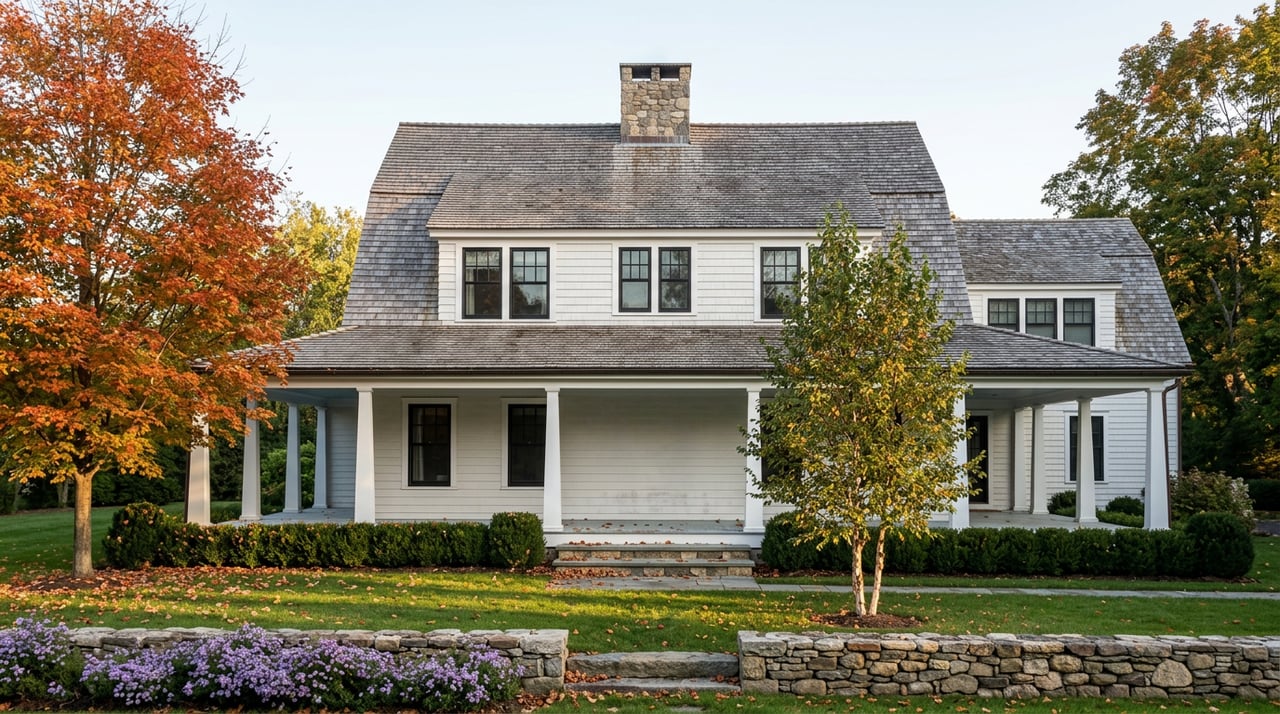
So what is it like to live in Yarmouth, Maine? In many ways, it feels like a thoughtful middle ground. You get a compact coastal town with New England character, but you also get the infrastructure and regional access that make daily life easier.
That combination is not always easy to find. Yarmouth offers harbor access, local businesses, community events, and a strong year-round base, all within close reach of Portland. If you are drawn to coastal Maine but want a town that supports both lifestyle and logistics, Yarmouth is well worth considering.
If you are exploring coastal Maine and want tailored guidance on Yarmouth, second-home strategy, or identifying a property with long-term value, Ana T.L. Dierkhising offers a discreet, principal-led approach grounded in local insight and thoughtful counsel.
FAQs
What is daily life like in Yarmouth, Maine?
- Daily life in Yarmouth tends to feel balanced and practical, with errands, dining, schools, and waterfront access close at hand, plus easy regional access to Portland.
Is Yarmouth, Maine, a year-round town?
- Yes. Yarmouth’s 2024 comprehensive plan describes it as a majority year-round community rather than a town defined mainly by seasonal population swings.
How far is Yarmouth, Maine, from Portland?
- Yarmouth is about 11 miles northeast of Portland, making it a workable option for people who commute into the Greater Portland area.
Is commuting from Yarmouth, Maine, realistic?
- Yes. Yarmouth is accessible from Interstate 295 and Route 1, and the average travel time to work is 26.9 minutes. Metro BREEZ also provides bus service to Portland, Freeport, and Brunswick.
Does Yarmouth, Maine, have public waterfront access?
- Yes. The town has seven public marine-water access points, four public fishing access points, and a Town Landing with launch ramps, docks, moorings, and trailer parking.
What amenities are in Yarmouth Village?
- Yarmouth Village includes local dining, an independent bookstore, and access to other everyday destinations nearby, while Route 1 supports a broader mix of errands and food shopping.
Are there schools located in Yarmouth, Maine?
- Yes. Yarmouth’s public schools are located in town, and North Yarmouth Academy offers an independent school option on Main Street.
What community events take place in Yarmouth, Maine?
- Yarmouth hosts the annual Clam Festival in July and recurring events such as Yarmouth Hometown Holidays, Boast N Toast, Candidates Night, and Spirit of Excellence.