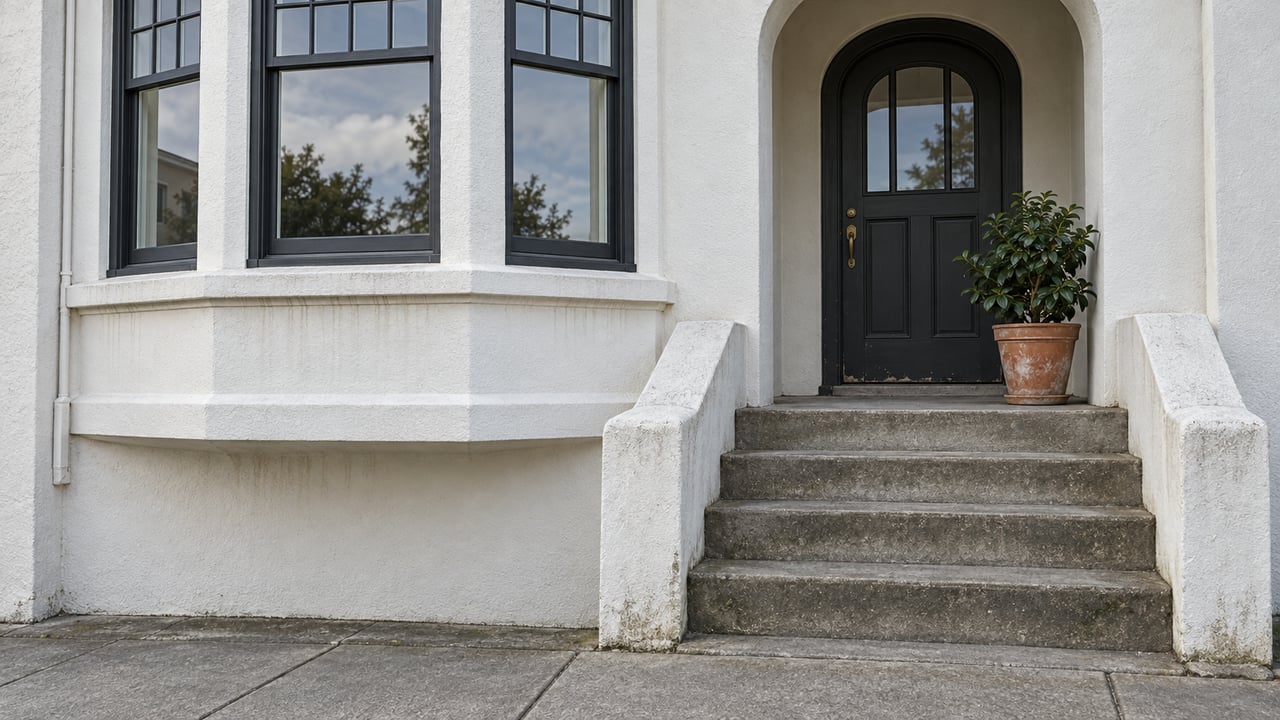
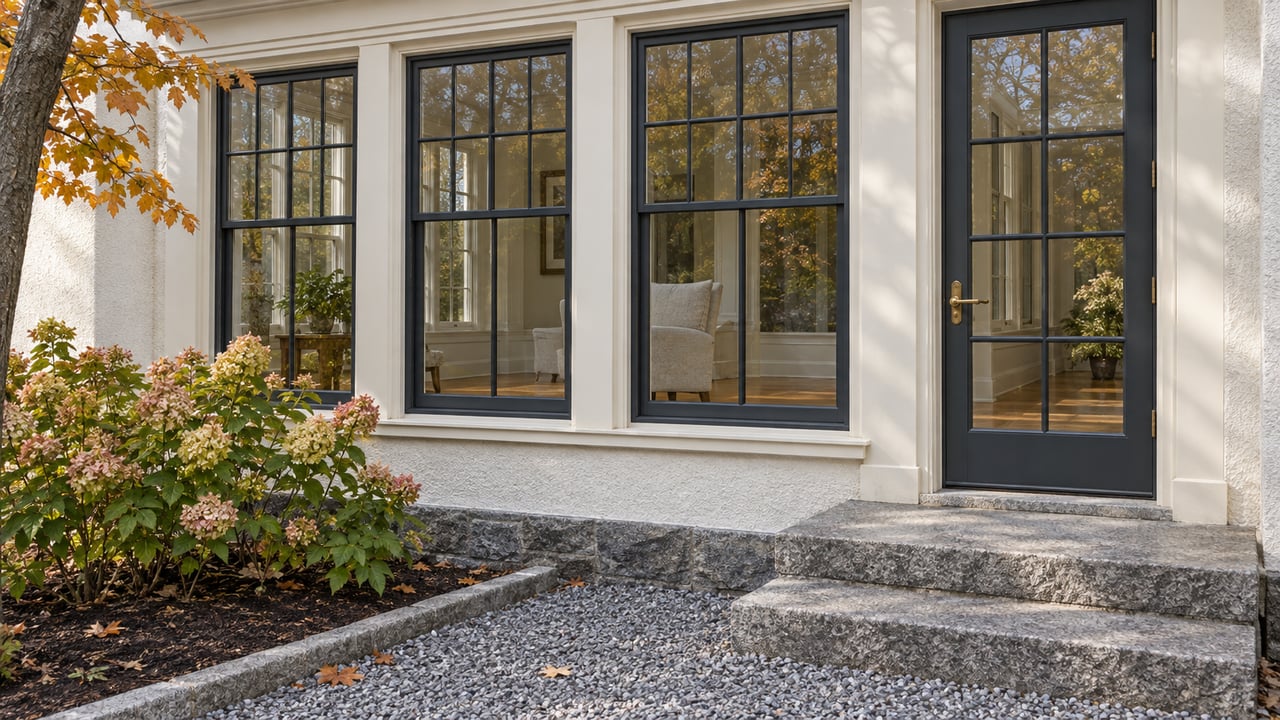
When you acquire a residence, especially if it is not brand new, you are taking on responsibility for its many intricate systems and appliances. Over time, even well-maintained components can experience normal wear and tear, leading to unexpected and often costly repairs. This is where the question, "Do you need a home warranty?" frequently arises.
A home warranty is a service contract that provides coverage for repairing or replacing major home systems and appliances that break down due to normal usage. It is designed to offer a layer of financial protection and peace of mind against unforeseen expenses that can arise after moving into your new property.
Let's delve into the various aspects of home warranties to help you decide if one is right for your situation.
Understanding What a Home Warranty Covers
A typical home warranty plan covers repairing or replacing essential systems and appliances within your home that fail due to regular use. This coverage is distinct from homeowners insurance, which protects against sudden, accidental damage from perils like fire or storms.
Commonly covered items include heating and air conditioning systems, electrical wiring, plumbing, water heaters, and major appliances such as refrigerators, ovens, dishwashers, and washing machines. This coverage can be particularly appealing for an older home, where HVAC systems might be original or past their prime.
How Service Calls and Costs Work
When a covered item breaks down, utilizing a home warranty is generally straightforward. You contact the home warranty company, which then dispatches a qualified service technician to diagnose the problem.
Upon diagnosis, the company arranges for repair or replacement if the issue is covered under your policy. As the homeowner, you typically pay a service call fee (a deductible or trade service fee) for each visit. This fee is usually fixed, often ranging from $75 to $125 per visit, regardless of the repair cost. This predictability can be a significant benefit when faced with unexpected repair bills.
The Appeal for Older Homes
Homes with older systems and appliances often incur more frequent repair costs, making a home warranty particularly attractive for these properties. The older a home's components, the higher the likelihood of a breakdown due to age and wear.
For instance, purchasing a charming, well-preserved home might come with an older furnace or original plumbing. A home warranty could provide a buffer against replacing a 20-year-old water heater or repairing an aging electrical panel, which could otherwise be substantial out-of-pocket costs.
Benefits for Buyers and Sellers During Transactions
Home warranties are not only for homeowners living in a property, but are also often used as a negotiation tool during real estate transactions. A seller might offer a home warranty to a buyer as an incentive, providing reassurance about the property's systems and appliances.
This can particularly appeal to buyers purchasing a home with older components, as it mitigates their immediate financial risk for unexpected repairs. For sellers, offering a home warranty can make their property more attractive in the market, potentially leading to a quicker sale or a smoother negotiation process by addressing buyer concerns about post-purchase expenses.
Understanding Policy Limitations and Exclusions
While home warranties offer broad coverage, it is essential to understand their limitations and exclusions before committing to a policy. Not every breakdown will be covered, and specific conditions can void coverage.
Common exclusions often include:
- pre-existing conditions (issues that existed before the policy was purchased)
- damage due to improper maintenance or installation, structural problems (like foundation issues, which fall under homeowners insurance), and
- cosmetic issues.
Some policies may have caps on how much they will pay out for specific repairs or replacements. For example, a warranty might replace an appliance with a comparable model rather than an exact match or cover a maximum amount for HVAC repairs. Thoroughly reading the contract's fine print is always advised.
Customizing Your Coverage for Specific Needs
Many home warranty companies offer customizable plans, allowing you to tailor your coverage to your specific property and preferences. This means you can often add optional coverage for items not included in basic plans.
Optional add-ons might include coverage for swimming pools, hot tubs, septic systems, well pumps, or even roof leaks (for a specific type of leak, not full roof replacement). If you have specialized appliances or unique systems in your home, it is worth exploring these additional coverage options. This customization ensures that you only pay for the protection you genuinely need for your residence.
Is it a Substitute for Homeowners Insurance? No.
It is crucial to understand that a home warranty is not a substitute for homeowners insurance. They serve entirely different purposes and protect against different types of events. Homeowners insurance protects your property from sudden, accidental damage caused by perils like fire, theft, windstorms, or vandalism.
A home warranty covers the repair or replacement of major systems and appliances due to normal wear and tear over time. For example, if your refrigerator suddenly stops working due to a mechanical failure, that's a home warranty claim. If a tree falls on your roof during a storm, that's a homeowners insurance claim.
Deciding if a Home Warranty is Right for You
The decision of "do you need a home warranty?" ultimately depends on your circumstances, risk tolerance, and the characteristics of your home. A home warranty can offer significant value if you are purchasing an older home, have limited savings for unexpected repairs, or simply prefer predictable service fees.
If your home's systems and appliances are all brand new and under manufacturer warranties, or if you have a robust emergency fund for repairs, a home warranty might be less critical. Consider the age of your HVAC system, water heater, and major appliances. For properties in San Francisco, where repair costs can be higher due to the local cost of living, the fixed service fee of a home warranty might be particularly appealing for budgeting unexpected breakdowns.
Work With the Local Expert in San Francisco
If you’re considering buying or selling in San Francisco, Ana Dierkhising brings professionalism, insight, and care to every client relationship. Ana blends technical expertise with intuitive guidance, helping buyers find standout homes and helping sellers achieve strong results with tailored marketing and expert preparation. Whether you’re relocating, investing, or searching for your ideal San Francisco property, Ana offers sharp negotiation skills, thoughtful advice, and a results-driven approach grounded in trust and integrity.
Reach out to Ana Dierkhising for exceptional representation in San Francisco’s competitive real estate market. Browse real estate in San Francisco here.
Reach out to Ana Dierkhising for exceptional representation in San Francisco’s competitive real estate market. Browse real estate in San Francisco here.