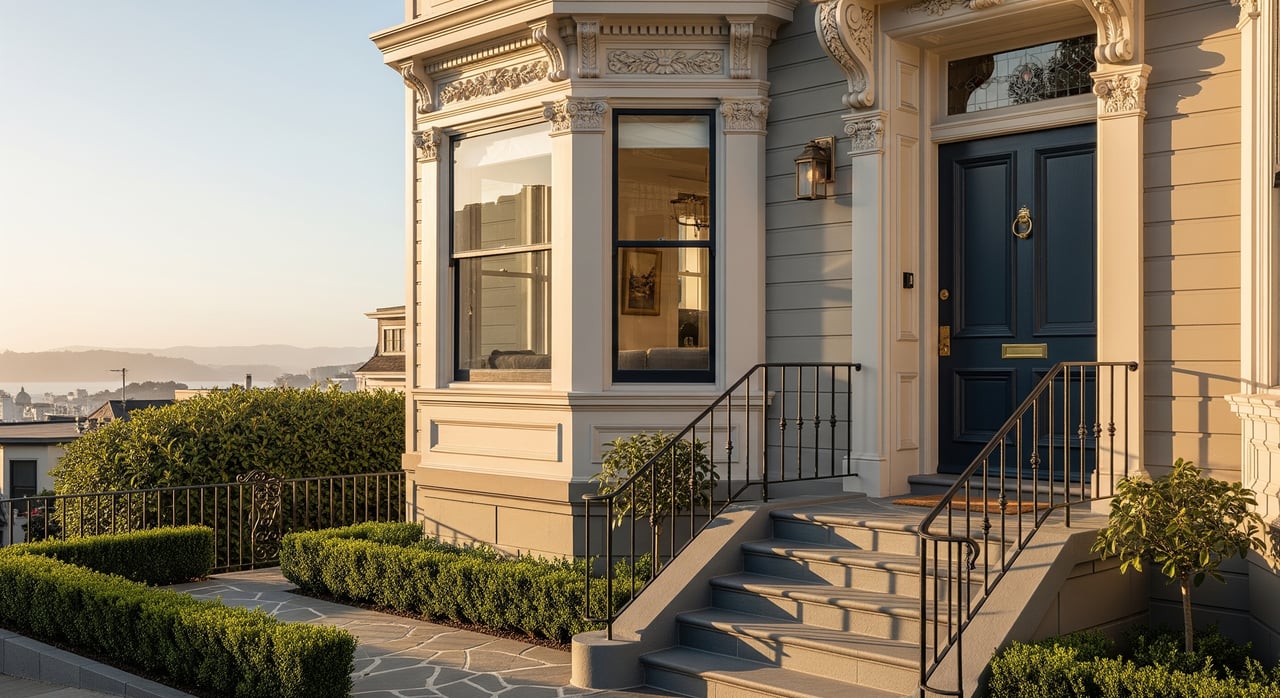
Thinking about selling your Pacific Heights historic home, but not sure where to start? You want to honor the character that makes your property special while meeting today’s luxury buyer expectations. With the right plan, you can elevate safety, comfort, and presentation so your home commands its full market value. Here is a clear, preservation‑minded roadmap you can follow over the next 12 to 18 months. Let’s dive in.
What drives top value
Buyers in Pacific Heights expect two things: authentic period character and seamless modern living. Original millwork, fireplaces, staircases, high ceilings, and architectural provenance draw them in. Updated mechanicals, reliable systems, tasteful kitchens and baths, thoughtful tech, and seismic improvements close the deal.
Value often rises when you can document a notable architect, previous stewards, or award‑winning restorations. It can slip if buyers see unpermitted work, outdated electrical, water intrusion, or missing seismic upgrades. Your goal is simple: keep what is irreplaceable, upgrade what affects safety, comfort, and insurability, and document everything.
Your 12–18 month roadmap
- Months 1–2: Assemble your team. Engage a preservation‑aware listing broker, a structural engineer for a seismic assessment, and, if planning improvements, a preservation architect and licensed contractors.
- Months 2–4: Commission pre‑listing inspections. Start with general home, structural and seismic, pest, roof, chimney, and electrical evaluations. Use the findings to prioritize work.
- Months 3–9: Tackle high‑impact upgrades. Focus on safety and systems first, then tasteful kitchen and bath updates. Resolve any unpermitted work that could derail escrow.
- Months 4–10: Gather documentation. Compile permits, contractor invoices, historic photos, restoration records, service and warranty files, and any designation or Mills Act paperwork.
- Months 8–12: Plan presentation. Coordinate preservation‑sensitive staging, architectural photography, a floor plan, and a property book that tells the home’s story.
- Months 12–18: Final pricing and launch. Align comps with similar age, significance, and condition. Consider both public launch and discreet private previews to reach the right buyers.
Preservation‑minded upgrades that pay off
Safety and systems first
Buyers at this level expect reliable infrastructure. Prioritize electrical service upgrades and the proper handling or replacement of knob‑and‑tube wiring. Address plumbing, HVAC, and any known roof or envelope issues. These investments are rarely flashy, but they directly impact buyer confidence, insurability, and appraisal.
Kitchens and baths with integrity
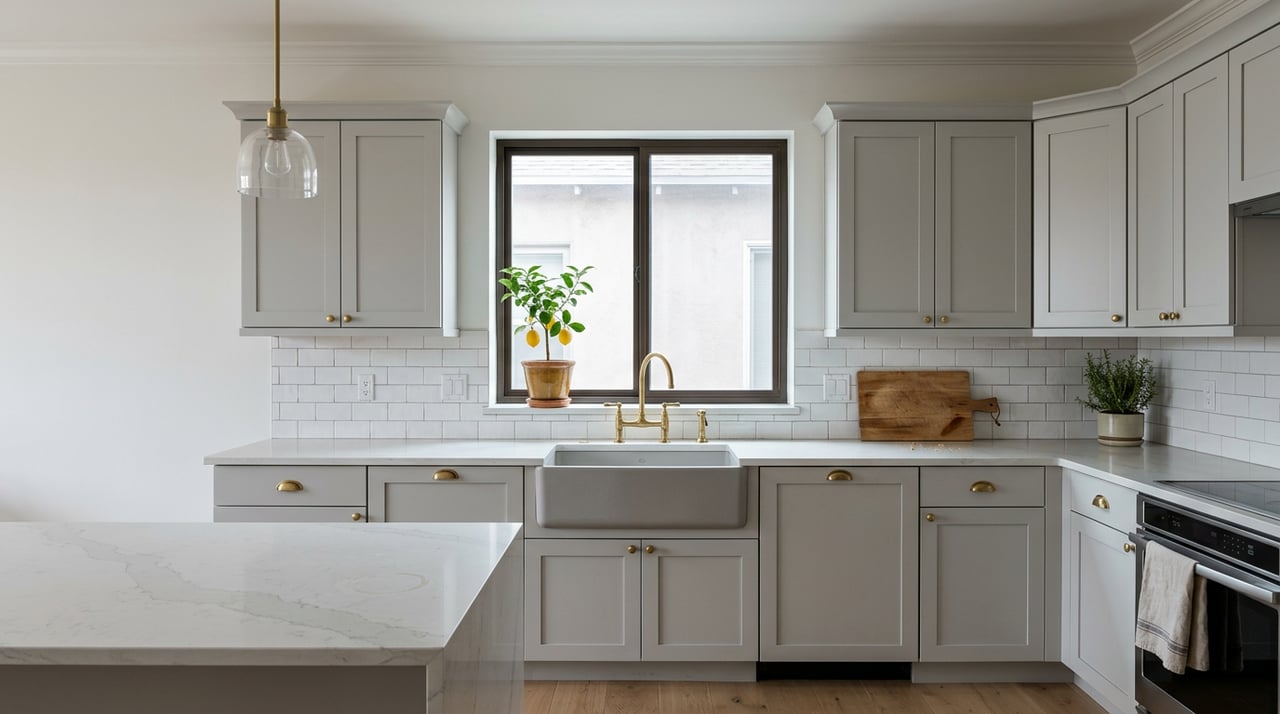
Treat kitchens and primary baths as high‑ROI spaces, without erasing scale and sightlines that define your home’s character. Favor quality materials and layouts that respect original room proportions. Where possible, integrate modern function behind period‑appropriate cabinetry or sympathetic finishes.
Seismic readiness in San Francisco
Seismic measures, including foundation bolting, cripple wall bracing, and chimney bracing or removal as needed, are often expected. If a soft story applies, address it or provide clear engineering, permits, and bids. Transparent reports and warranties can set your home apart and reduce renegotiation risk.
Roof, envelope, and energy
Water intrusion is a deal‑killer. Repair or replace roofing with appropriate materials where visible, and ensure gutters and flashing are sound. Improve energy performance in a sensitive way, such as discreet insulation or efficient HVAC that does not compromise historic fabric.
Legal and disclosure essentials
Historic status and approvals
Confirm whether your home is a designated landmark or within a local historic district before planning work. Exterior changes and significant alterations to designated resources generally require city review and specific permits. Build timelines with historic review in mind so you avoid costly delays.
Mills Act considerations
If your property has a Mills Act contract, disclose it and provide the agreement and work plan. These contracts typically run with the property and can offer property tax benefits tied to ongoing preservation obligations. Many buyers welcome the stewardship framework when the responsibilities are clear.
Required seller disclosures
In California, you must complete a Transfer Disclosure Statement and provide a Natural Hazard Disclosure. For pre‑1978 homes, federal law requires lead‑based paint disclosure and delivery of the EPA pamphlet. Disclose known unpermitted work, prior pest reports, past structural or seismic retrofits, known hazardous materials when applicable, and any local requirements such as sewer lateral compliance if relevant.
Permits and unpermitted work
Unpermitted alterations often surface in escrow and can derail a sale or force price concessions. Compile your permit history now, resolve high‑impact items, and disclose the rest with clear options. Buyers pay a premium for transparency and documented compliance.
Staging that respects history
Thoughtful staging should reveal how easily modern life fits within historic rooms. Keep original features in focus and let them breathe.
- Highlight millwork, mantels, staircases, and stained glass with refined, scaled furniture and layered lighting.
- Use neutral or period‑complementary palettes that elevate original finishes rather than fight them.
- Avoid heavy window treatments that hide casings or views, and remove visual clutter that distracts from architecture.
- Define room functions clearly so buyers can imagine daily life, entertaining, or quiet work without guesswork.
Visual storytelling matters as much as the staging itself. Commission top‑tier photography, twilight exteriors, and close‑ups of craftsmanship, along with measured floor plans and an elegant digital tour. A curated property book that blends provenance, permits, and improvement records helps buyers fall in love with both the story and the substance.
Documentation that reassures buyers
Assemble a complete, organized dossier before launch. It signals stewardship and reduces friction during due diligence.
- Permit history, plans, and any as‑builts
- Restoration contracts, invoices, materials schedules, and before‑and‑after photos
- Structural and seismic reports, engineering letters, and retrofit warranties
- Pest, chimney, roof, and electrical inspection reports
- HVAC, plumbing, and roof service records and warranties
- Historic designation documents, district maps, and any Mills Act contract
- Title report, easements, and relevant covenants
- HOA or condo documents if attached
Pricing and positioning
Choosing the right comps
Use comparables that share age, architectural significance, and condition. A restored Victorian or Edwardian with documented upgrades can command a premium over superficially updated stock. Consider a pre‑listing appraisal by an expert with historic and luxury experience for additional clarity.
Messaging that matches your buyer
Decide whether to lead with designation and provenance, or with turn‑key comfort and modernity. Both strategies work, but they require consistent staging, photography, and copy. Align the story with the most probable buyer segment, from preservation‑minded collectors to those seeking a refined, move‑in experience.
Timing and market cadence
Luxury listings can take longer to market, which is normal for unique homes. Allow time for private previews, curated open houses, and targeted outreach to preservation communities and architectural circles. If discretion is a priority, consider a quiet period of private showings prior to full public launch.
Avoiding deal‑killers
- Identify and remedy safety issues upfront, especially electrical hazards, seismic vulnerabilities, and active leaks.
- Resolve or disclose unpermitted work with clear paths to compliance.
- Anticipate insurance concerns tied to chimneys, outdated wiring, or older roofs, and correct them or provide recent service records.
- Offer transferable warranties where possible to boost buyer confidence.
Final thoughts
Preparing a Pacific Heights historic residence for the market is a balance of stewardship and strategy. If you protect the soul of the home, invest in critical systems, and present a well‑documented story, you invite buyers to compete for it. The result is a smoother sale and a stronger final number.
If you are mapping a 12–18 month plan and want principal‑level guidance, curated staging, and bespoke marketing that honors your home’s legacy, connect with Ana T.L. Dierkhising. Let’s craft a preparation and launch strategy that positions your property for its full value.
FAQs
What should I upgrade first in a Pacific Heights historic home?
- Start with safety and systems, including electrical service, plumbing, HVAC, roof, and seismic measures, then move to tasteful kitchen and bath updates that respect historic character.
How do I know if my home is historically designated in San Francisco?
- Confirm status through the city’s historic preservation resources or with a preservation‑aware architect or broker before planning alterations, since designation can affect scope, permits, and timelines.
Do I need to disclose lead paint and other hazards when selling?
- Yes, for pre‑1978 homes you must provide federal lead‑based paint disclosures, and in California you must complete required forms like the Transfer Disclosure Statement and Natural Hazard Disclosure.
Will a Mills Act contract help or complicate my sale?
- It can enhance appeal by offering potential property tax savings, but it also carries preservation obligations that transfer to the buyer, so clear documentation and counsel are essential.
How long should I plan to prepare and market a luxury historic home?
- Many sellers plan 12 to 18 months for inspections, sensitive upgrades, and marketing preparation, with additional time for any historic review or permitting that significant work may require.